Injection moulding design optimisation starts long before a tool is cut or a machine begins to run. A strong concept on screen does not automatically become a strong moulded product in production. To get from idea to reliable manufacture, design decisions need to work with material behaviour, tooling requirements, process stability, machine suitability, and the practical realities of packing, handling, and delivery.
That is where early guidance makes a real difference. At Flambeau Europe, we help customers refine concepts into viable products by looking at the full route to manufacture. That means questioning what the part needs to do, how it should perform, how it will be made, and how it will move through production and into the supply chain. Done well, that process reduces avoidable cost, shortens development time, and improves confidence before major investment begins.
Why injection moulding design optimisation matters
Early decisions shape injection moulding design optimisation
Small choices made early in development can affect the entire outcome. Wall thickness, geometry, material selection, tolerances, and part features all influence whether a concept will mould efficiently, perform consistently, and remain commercially sensible to produce.
This is why injection moulding design optimisation matters so much. It helps prevent the common situation where a part looks correct in principle but becomes more difficult, costly, or risky once tooling and production begin.
Small issues can become expensive later
A design that ignores mouldability can lead to weak points, warping, inconsistent fill, longer cycle times, or avoidable tooling complexity. Once a project reaches tooling, those issues are harder and more expensive to correct. That is why better early decisions often create the biggest downstream savings.
That broader thinking is one of the reasons customers value complete bespoke solutions, where design, tooling, moulding, and delivery are treated as connected parts of the same process rather than isolated steps.
What injection moulding design optimisation involves
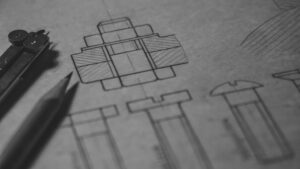
Designing for manufacturability, not just design intent
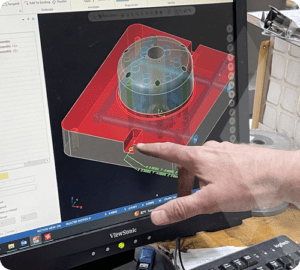
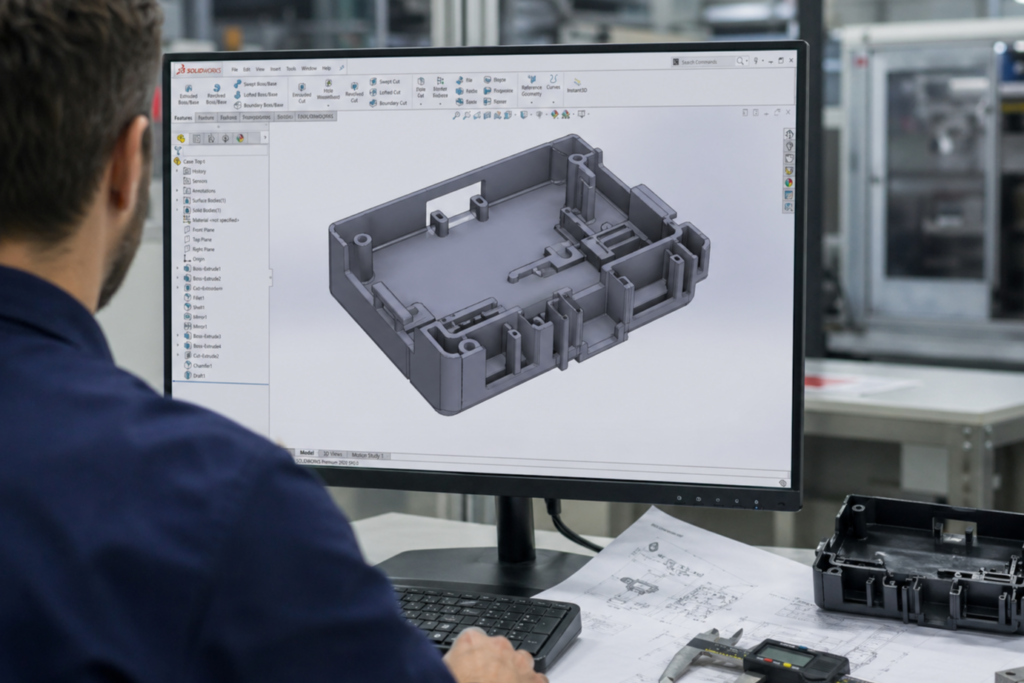
A product has to work in the real world, but it also has to work in manufacture. A part may meet the intended function in CAD and still create avoidable difficulty in moulding, handling, assembly, or inspection. Good optimisation closes that gap between design intent and production reality.
Aligning design, material, and tooling decisions
These decisions cannot sit in isolation. The chosen polymer affects shrinkage, finish, strength, and flow. Geometry affects tooling approach and consistency. Tooling strategy influences repeatability, maintenance, and cycle efficiency. Good development brings those factors together rather than treating them as separate stages.
Using iteration to improve the product earlier
Most concepts benefit from refinement. That is not a weakness in the idea. It is part of building a better result. Early review, challenge, and iteration often create stronger parts, simpler tooling, and fewer surprises later. That same kind of thinking sits behind how Flambeau added value to complex injection moulding parts, where early technical input improved the outcome before production moved too far forward.
How material selection supports injection moulding design optimisation
Material choice is central to injection moulding design optimisation
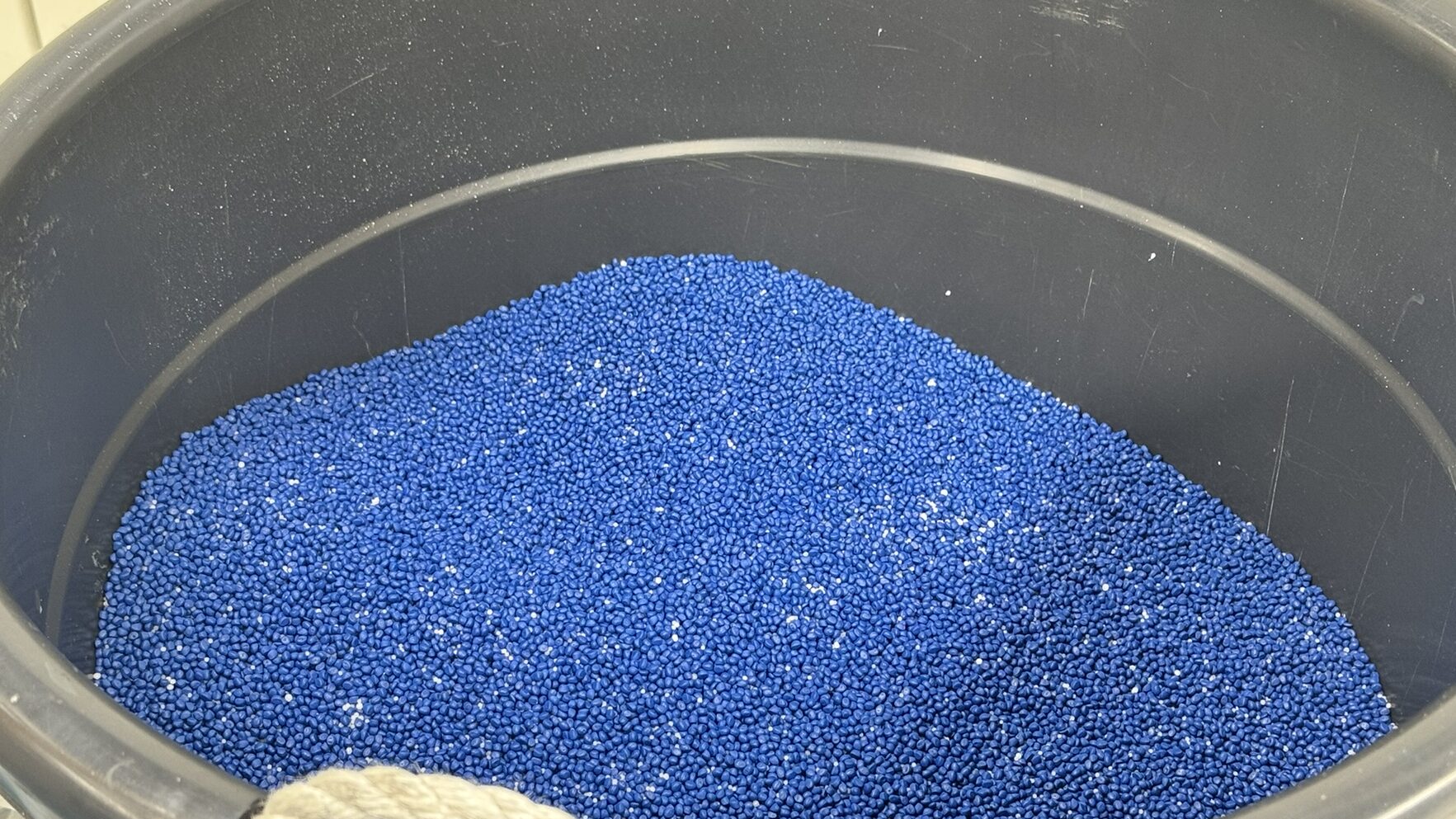
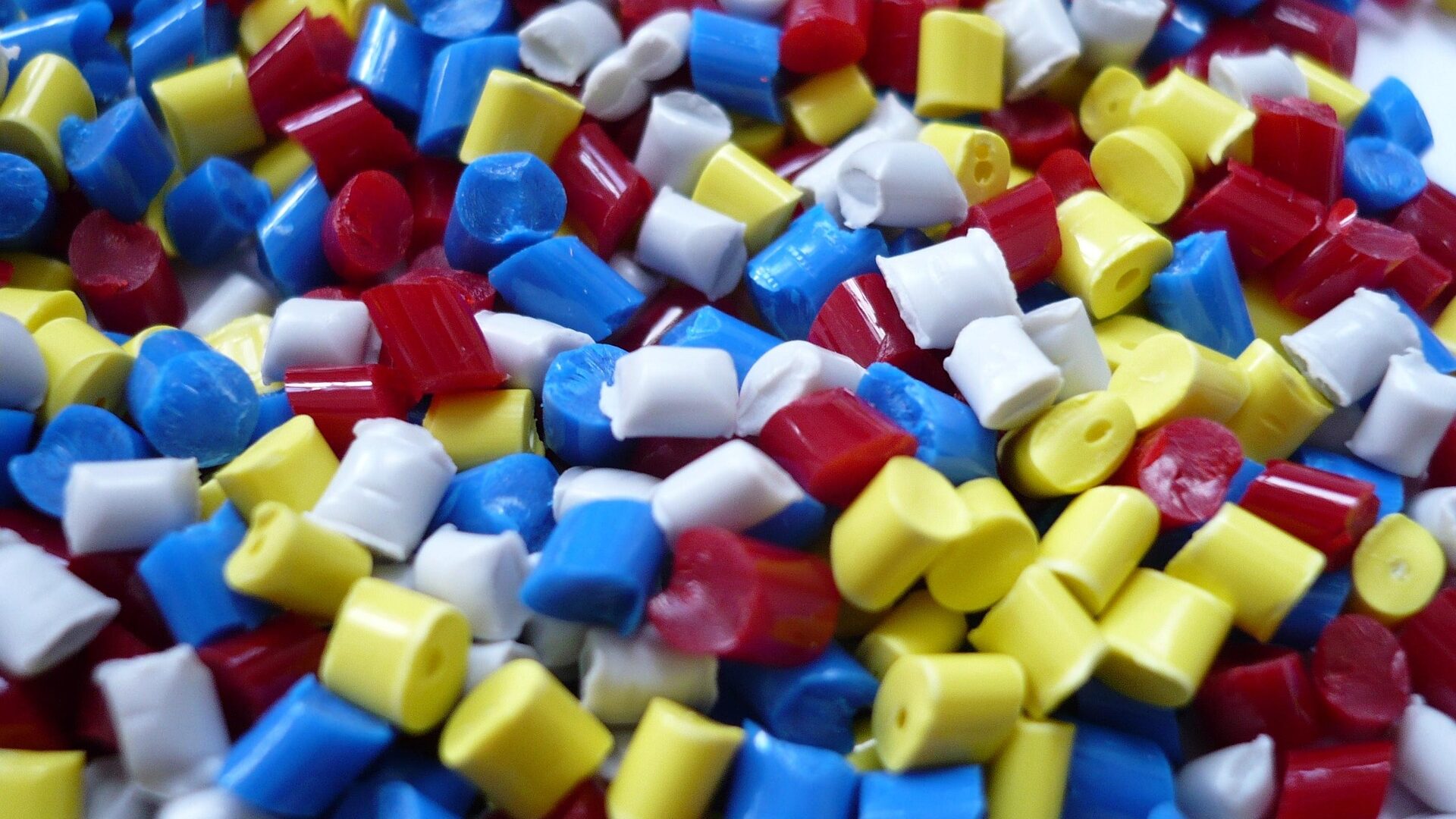
Material selection shapes strength, finish, durability, compliance, weight, shrinkage, and mouldability. A resin that looks right on paper may create avoidable production difficulties. A lower-cost option may introduce longer-term performance risk. The right choice depends on the application, not just the datasheet.
That is why choosing the right plastic material for your product matters so early in development. Better material decisions reduce guesswork and help protect the whole project from avoidable compromise.
The right polymer depends on real use
A part’s environment matters. Will it face repeated use, exposure to impact, dimensional demands, chemical contact, or specific visual expectations? Good design optimisation starts by understanding what the product must do in practice, then matching the material to that requirement.
That is also why injection moulding material challenges and how Flambeau solves them is such a useful follow-on topic for customers weighing up different performance and commercial priorities.
Better choices reduce trial-and-error
When customers make material decisions with stronger technical guidance, they reduce the need for correction later. That is where Flambeau’s materials expertise adds value. We help customers move forward with more confidence before tooling investment locks the project into a more expensive path.
Why tooling, machine selection, and production planning matter in injection moulding design optimisation
Tooling feasibility affects what is realistic
Some part features create unnecessary complexity in tooling. Others may be possible, but not commercially sensible. Early tooling thinking helps identify where the concept supports repeatable manufacture and where refinement may improve the route to production. That is closely linked to tooling optimisation: extending the life and performance of your moulds, where better early decisions help protect consistency and long-term performance.
The right machine helps protect quality and process stability
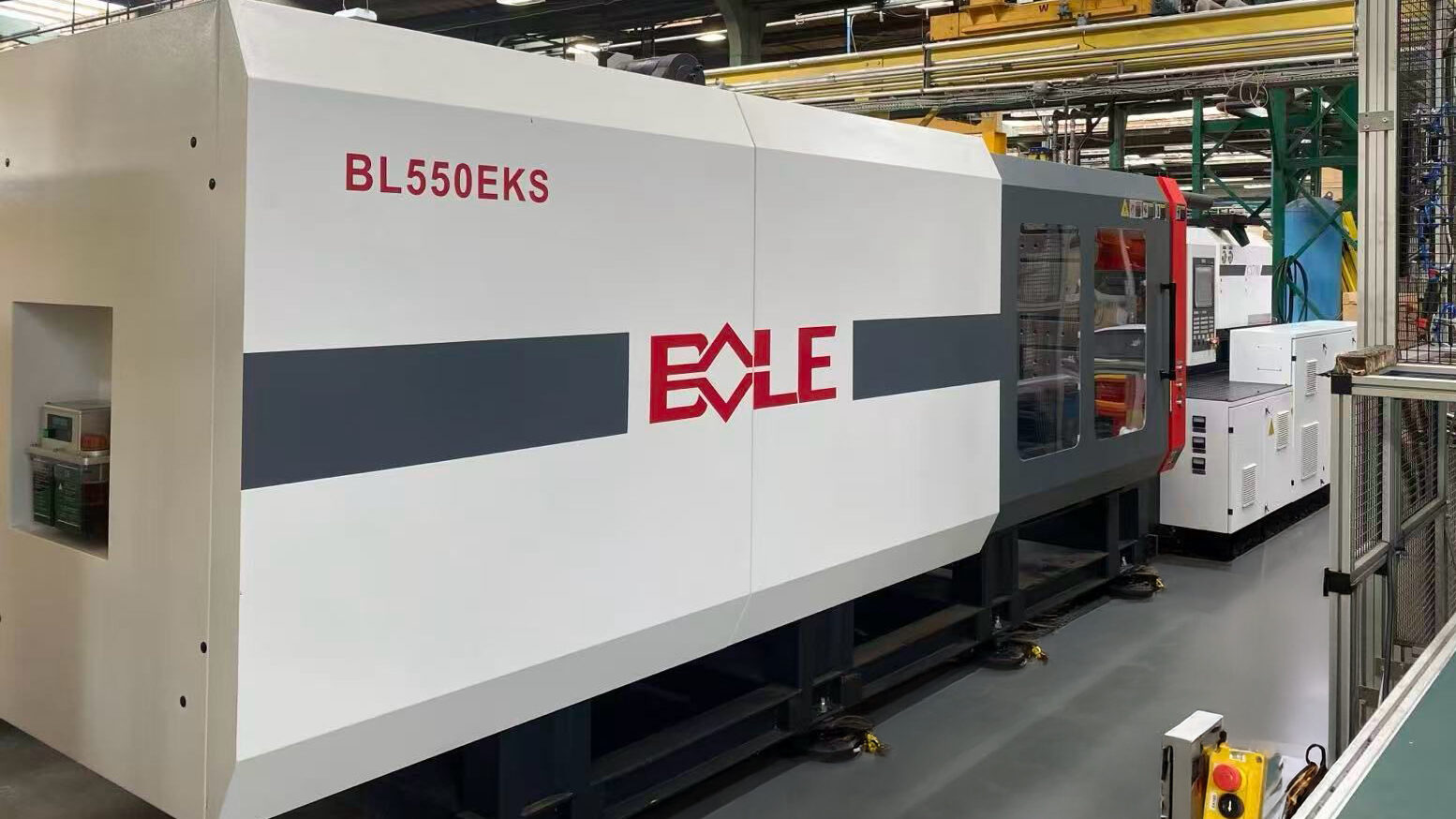
A manufacturable product is not just about whether it can be moulded. It is also about where in the fleet it should run. Machine choice affects control, shot size suitability, repeatability, and long-term process stability. The right press supports better product quality and a more reliable process.
Better machine selection reduces unnecessary maintenance risk
Not every tool or part should run on every machine. Matching the product to the right machine helps protect both the part and the equipment. It supports more stable production and reduces unnecessary wear or maintenance risk across the fleet. That is an important but often overlooked part of good manufacturability thinking.
Packaging, handling, and automation need to be part of the plan
A well-designed part should not create avoidable problems after moulding. Packaging, downstream handling, stacking, automation requirements, and movement through production all need consideration. A product may mould successfully but still create friction if it is difficult to pack, awkward to handle, or poorly suited to automated or semi-automated processes. Good optimisation takes those realities seriously.
How broader planning improves the route from concept to product
Concepts often need refinement before production
A concept rarely reaches its best form without review. Shape, fit, structural detail, mouldability, and practical use often become clearer once the product is tested and challenged. That is why early development support matters.
Prototyping supports injection moulding design optimisation earlier
Rapid development tools can help teams assess fit, handling, usability, and basic function before full production begins. That is where how rapid prototyping accelerates product development becomes valuable. It allows customers to review ideas earlier and make better decisions with something tangible in hand.
Packaging and logistics should be considered early
A product is not fully realised when it can simply be moulded. It also needs a sensible route into packing, storage, shipping, and delivery. Early planning around packaging and logistics can prevent downstream inefficiency and make the overall solution stronger.
Smarter iteration leads to better commercial outcomes
Better iteration usually means less rework, fewer delays, and more confidence before tooling spend increases. That helps create not only a better part, but a better project outcome overall.
How Flambeau supports injection moulding design optimisation
We start with what the part needs to achieve
At Flambeau Europe, we begin with the application, not just the drawing. What does the product need to do? What risks need to be reduced? What must the part achieve in real use? That broader view helps guide stronger development decisions from the outset.
We connect design thinking with production reality
Our support brings together material knowledge, tooling awareness, moulding expertise, and practical development thinking. Through our complete bespoke solutions approach, we help customers move from concept to production with fewer disconnects and a clearer path forward. That same joined-up thinking also runs through end-to-end injection moulding: from design to logistics, where product success depends on aligning more than one stage of the process.
Injection moulding design optimisation helps refine concepts into manufacturable products
This is where bespoke support makes the difference. Rather than simply waiting for a fixed design, we help customers challenge assumptions, improve details, and develop stronger outcomes. That may involve engineering support for injection moulding, material guidance, tooling input, prototyping discussion, or wider project coordination.
A stronger development partner reduces avoidable risk
Customers often get better results when they work with a manufacturer that can guide decision-making early, rather than simply respond once issues appear. That is one of the reasons the value of why a trusted manufacturing partner matters becomes clearer on more demanding projects, where stronger guidance and clearer accountability help protect the final outcome.
Conclusion: better design decisions create better products
Injection moulding design optimisation improves more than the part itself. It improves manufacturability, tooling outcomes, process stability, machine suitability, and the practical route from concept into production and supply. When design, material, tooling, and broader planning align early, customers gain a stronger product and a more dependable project.
At Flambeau Europe, we help guide that process with practical, joined-up support from the start. If you are developing a new product and want to reduce risk before production begins, explore our injection moulding and complete bespoke solutions services, or contact us to start a conversation.