Injection moulding experience becomes most valuable when it helps a business make better decisions in the present. Over decades, manufacturers learn that success is rarely built on technical capability alone. It comes from understanding how to improve continuously, solve problems early, support customers properly, and adapt without losing control of quality or consistency.
That is why 75+ years of experience matters. Not because longevity is impressive on its own, but because it reveals what actually stands the test of time. Markets change. Materials change. Customer expectations change. Supply chains change. The businesses that continue to create value are the ones that learn from each stage and carry those lessons forward into how they work today.
Why injection moulding experience still matters
Long-term experience matters because it has already been tested under pressure. It has seen different market conditions, different customer requirements, and different operational challenges. That kind of perspective helps a manufacturer separate short-term trends from the things that genuinely improve performance over time.
It also teaches that technical knowledge is only one part of the picture. A business can understand tooling, materials, and moulding processes extremely well, but still fall short if it cannot communicate clearly, respond quickly, and support customers through change. That is why experience becomes most useful when it strengthens decision-making across the whole manufacturing relationship, not just at the machine.
One lesson is that continuous improvement never stops
One of the clearest lessons from long-term injection moulding experience is that standing still is rarely an option. Customer expectations rise, technology moves forward, and competitive pressures change. Manufacturers that last learn how to improve without losing control of the fundamentals.
That does not always mean dramatic reinvention. Often, the most valuable progress comes through refinement. Smarter tooling choices, better machine capability, improved process control, reduced waste, and more disciplined project planning can all create meaningful gains over time. That is the sort of thinking reflected in how we reduce cycle times in injection moulding, where improvement comes from practical engineering choices rather than novelty for its own sake.
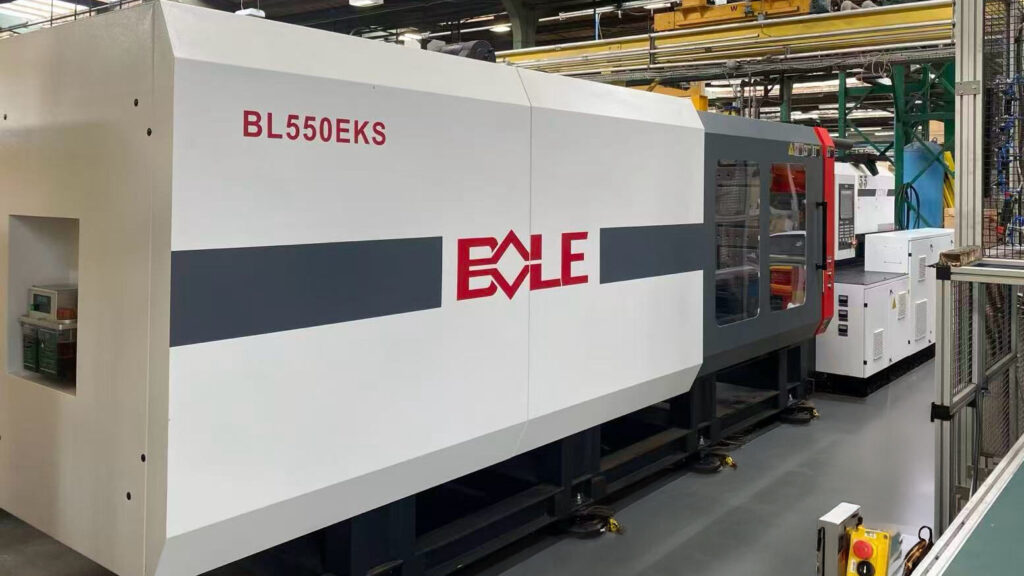
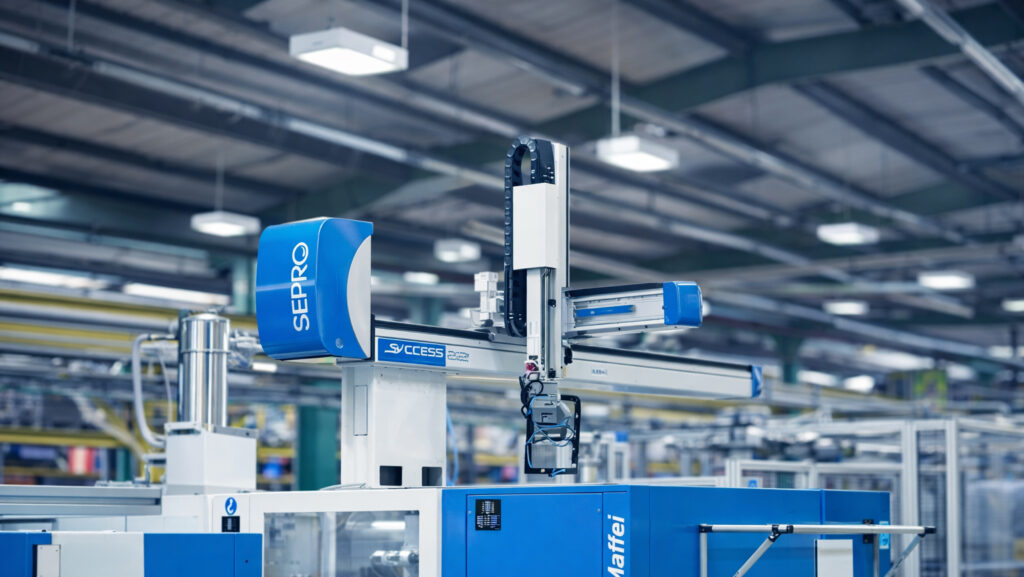
The same principle applies more broadly across the factory floor. Investment in technology only matters when it supports better outcomes, which is why automation in injection moulding is really about using innovation to strengthen consistency, efficiency, and control.
Another lesson is that problem-solving creates more value than simple production
Customers rarely need parts alone. They often need guidance, judgement, and support in working through challenges that sit behind the drawing. Long-term experience teaches that the most useful manufacturing partner is usually the one that helps reduce risk before it becomes expensive.
That is why problem-solving creates more value than capacity on its own. A stronger manufacturer asks better questions at the start of a project. What is the part trying to achieve? What risks sit in the material choice? Where might tooling become more complex than it needs to be? What will affect consistency later in the run? The more experience a business has, the better it becomes at identifying those questions early.
That same mindset runs through engineering support for injection moulding and our end-to-end injection moulding model, where the value is not just in making the part, but in improving the route from concept to successful production.
Long-term manufacturing success depends on people as much as process
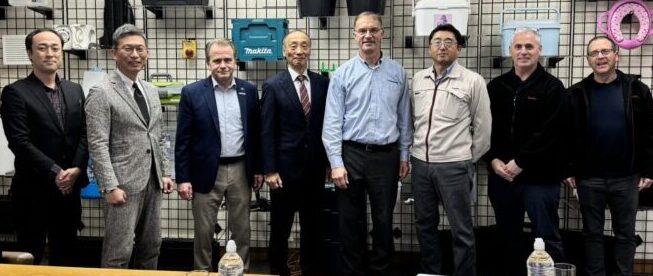
Another lesson learned over time is that systems matter, but people make the difference. Good processes help create control, yet experience only becomes valuable when skilled people know how to apply it. Engineers, toolmakers, operators, quality teams, and project managers all carry part of that knowledge.
That is one reason strong manufacturers keep investing in skills as well as equipment. Experience does not stay useful automatically. It has to be shared, developed, and built on. You can read more about the importance of that culture here, where the strength of the business sits not only in machinery, but in the judgement and collaboration of the people behind it.
It also explains why long-term businesses keep one eye on the future of talent. Manufacturing apprenticeships and bridging the manufacturing skills gap in the UK matter because continuity depends on developing the next layer of capability, not just relying on what already exists.

The best businesses learn that continuity matters
One of the biggest lessons from decades in manufacturing is that customers value continuity more than many suppliers assume. Reliability, communication, and retained knowledge often become more important over time than a low initial price. A stable partner reduces uncertainty. That matters when products evolve, when supply chains tighten, or when quality needs remain high across repeated runs.
Continuity also improves decision-making. Long-term relationships allow knowledge to build rather than reset. Teams understand the product better, customers gain more confidence in delivery, and problems can often be prevented earlier because the context is already understood. That is why a trusted manufacturing partner and a long-term injection moulding partner in the UK matters, because it is really about the commercial value of stability.
For a business, continuity also creates the confidence to invest. It makes longer-term thinking possible, which in turn supports customers more effectively.
Experience also teaches the value of adapting to a changing world
Manufacturing conditions never stay fixed for long. Materials evolve. Supply models shift. Environmental priorities change. Customer expectations move. One of the most useful outcomes of long-term injection moulding experience is learning how to adapt without losing the strengths that made the business valuable in the first place.
That includes recognising that sustainability and efficiency increasingly go together. Reducing waste, improving process discipline, using resources more intelligently, and shortening supply chains are not separate from commercial performance. They are part of it. That broader view is reflected in how sustainable manufacturing practices support long-term client success, where operational discipline and long-term value reinforce one another.
It also includes understanding why location has become strategically important again. In a more volatile global environment, proximity, responsiveness, and control have regained value. That is why flambeau ensures supply chain resilience and is helping the UK reshore production. Experience teaches that flexibility and resilience are often worth far more than they first appear.
What 75+ years of injection moulding experience means for customers today
For customers, long-term experience matters most when it improves what happens now. It means better judgement at the start of a project. It means stronger awareness of where risk is likely to sit. It means clearer decisions around tooling, materials, manufacturability, and process control. It means fewer surprises where avoidable problems could have been identified earlier.
It also means a more commercially useful partner. Experience should not feel like heritage for heritage’s sake. It should show up in how well the manufacturer communicates, how effectively they solve problems, and how confidently they support the customer from concept through to production. That is where complete bespoke solutions and injection moulding become more meaningful — not as service labels alone, but as the practical expression of lessons learned over time.
Conclusion: experience is only valuable when it keeps improving the future
The real value of injection moulding experience is not that it proves how long a business has existed. It is that it improves how the business performs today. Over time, the strongest lessons are rarely about one machine, one material, or one process. They are about continuous improvement, better problem-solving, stronger people, greater continuity, and the ability to adapt without losing control.
At Flambeau Europe, that is what long-term experience is meant to support: better decisions, better customer outcomes, and a more dependable route to manufacturing success. If you want to explore how that experience can support your next project, contact is the best place to continue the conversation.