Sustainability is often discussed in terms of ethics, reporting, and environmental responsibility. All of those matter, but in manufacturing, sustainability also has a very practical commercial role. The most effective sustainable manufacturing practices do more than reduce environmental impact. They improve efficiency, strengthen reliability, and help customers build more stable, resilient supply chains over the long term.
That is why sustainability is no longer a “nice to have” or a side initiative. It is increasingly part of how manufacturers reduce waste, improve process control, and deliver more dependable outcomes for customers. In other words, sustainability is not separate from operational performance. It supports it.
At Flambeau Europe, sustainability is built into how we work. From reducing scrap and improving tooling efficiency to investing in newer machinery and manufacturing in Ramsgate, our approach focuses on measurable improvements that benefit both our customers and the wider environment. When done properly, sustainable manufacturing practices support long-term client success by making production smarter, more efficient, and more reliable.
Why Sustainable Manufacturing Practices Matter More Than Ever
Manufacturers are operating in a market where customers expect more than just competitive pricing. They want continuity, dependability, and confidence that their supply chain will remain stable over time. This is one of the reasons sustainable manufacturing practices have become so important. They are not just about reducing impact on paper. They are about making production systems stronger and more efficient in practice.
That matters because waste, inefficiency, and avoidable disruption all carry a cost. Excess scrap, poor material choices, energy-intensive production, and fragile supply chains all reduce long-term value. By contrast, manufacturers that focus on sustainability through process improvement, better planning, and local production are often better positioned to deliver consistent performance over time.
For customers, that translates into something highly valuable: fewer surprises, better control, and greater confidence in long-term manufacturing continuity.

How Sustainable Manufacturing Practices Improve Business Reliability
One of the biggest benefits of sustainable manufacturing practices is that they often improve reliability at the same time.
How Sustainable Manufacturing Practices Reduce Waste and Improve Production
Waste is not only an environmental issue. It is also an operational one. Scrap, rework, and avoidable inefficiencies consume time, material, and cost, while also increasing the risk of disruption. By reducing waste at source, manufacturers improve process stability and protect output consistency.
At Flambeau Europe, this mindset supports how we approach both our injection moulding capabilities and our wider complete bespoke solutions model. Sustainable improvement is not treated as a bolt-on exercise. It is part of delivering better day-to-day manufacturing performance.
This also connects naturally with our articles on reducing waste in manufacturing and our plastic regrind process, both of which show how waste reduction supports stronger production outcomes.
How Sustainable Manufacturing Practices Improve Energy and Material Efficiency
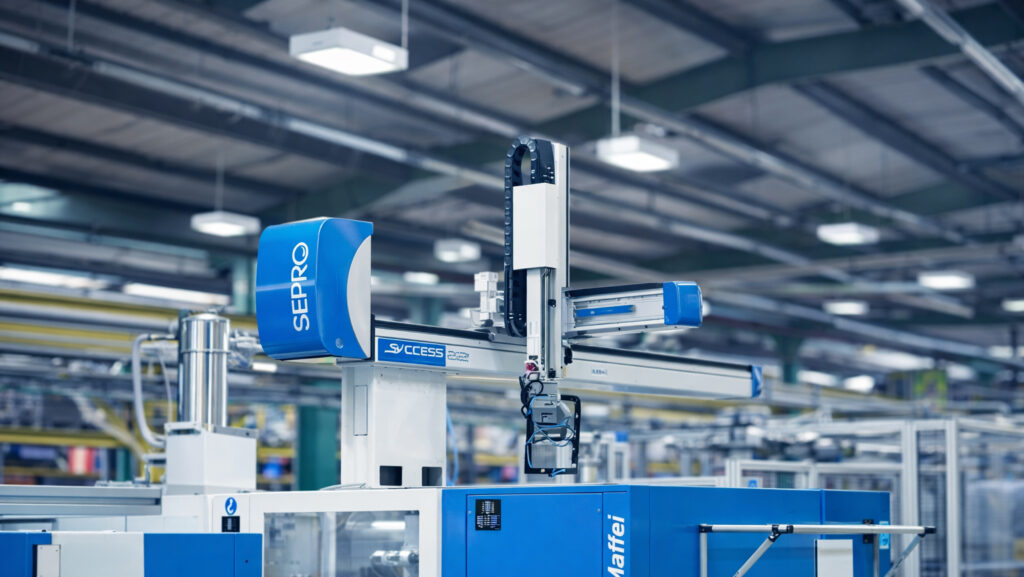
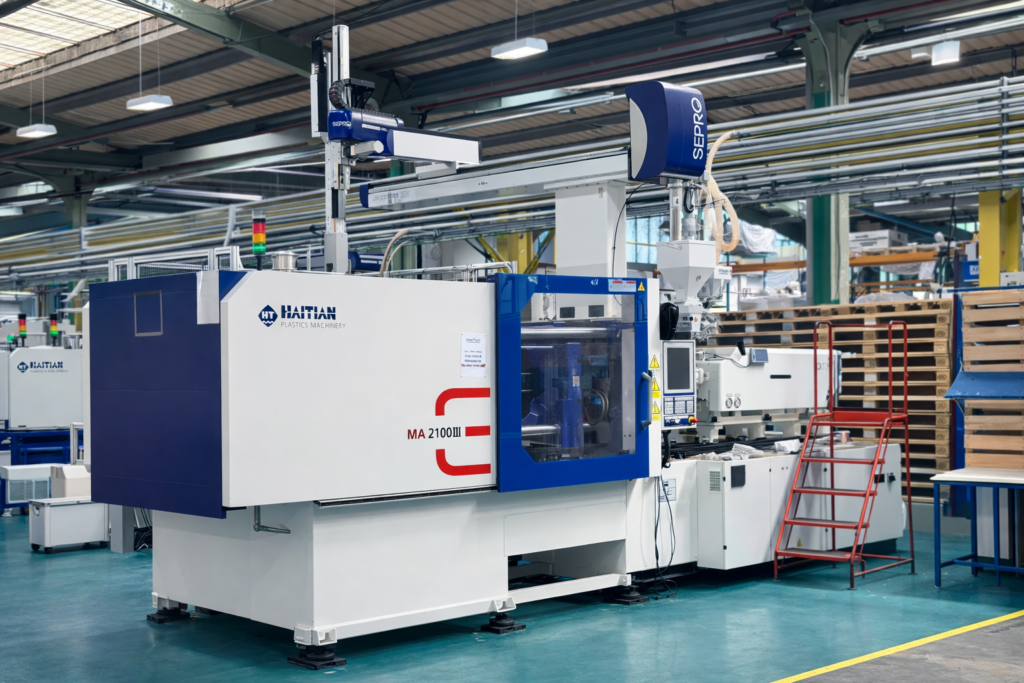
Efficient production is usually more stable production. Older machines can still perform well, but newer equipment often brings improvements in energy efficiency, processing consistency, and repeatability. That means less wasted energy, tighter control over moulding conditions, and stronger long-term performance.
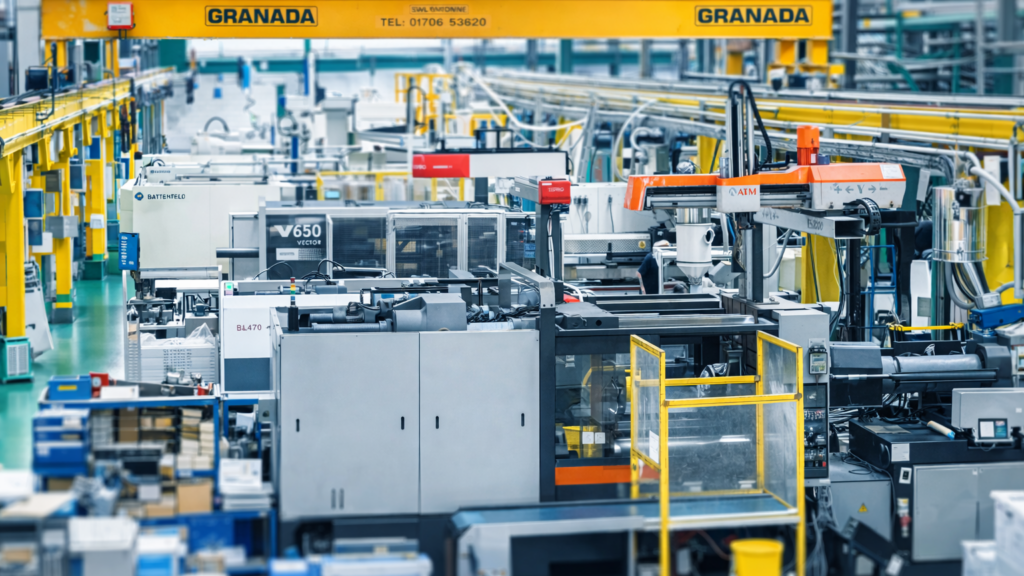
At Flambeau Europe, continued investment in newer machinery has been an important part of our sustainability journey for years. By replacing older machines with more modern, efficient equipment, we have improved performance while also reducing inefficiency across the production environment. This is not just about energy use. It also helps create more stable processes, better repeatability, and stronger manufacturing confidence for our customers.
Sustainable processes reduce disruption over time
Sustainability and continuity are closely linked. When production processes are more efficient, material use is better controlled, and machinery performs more consistently, the result is a more dependable manufacturing system overall.
For customers, this means fewer interruptions, lower risk of variability, and greater confidence that supply will remain reliable over time.

How Sustainable Manufacturing Practices Strengthen Supply Chains
Sustainable manufacturing practices are not limited to what happens inside the factory. Supply chain design also plays a major role.
UK-Based Sustainable Manufacturing Practices Reduce Transport Miles
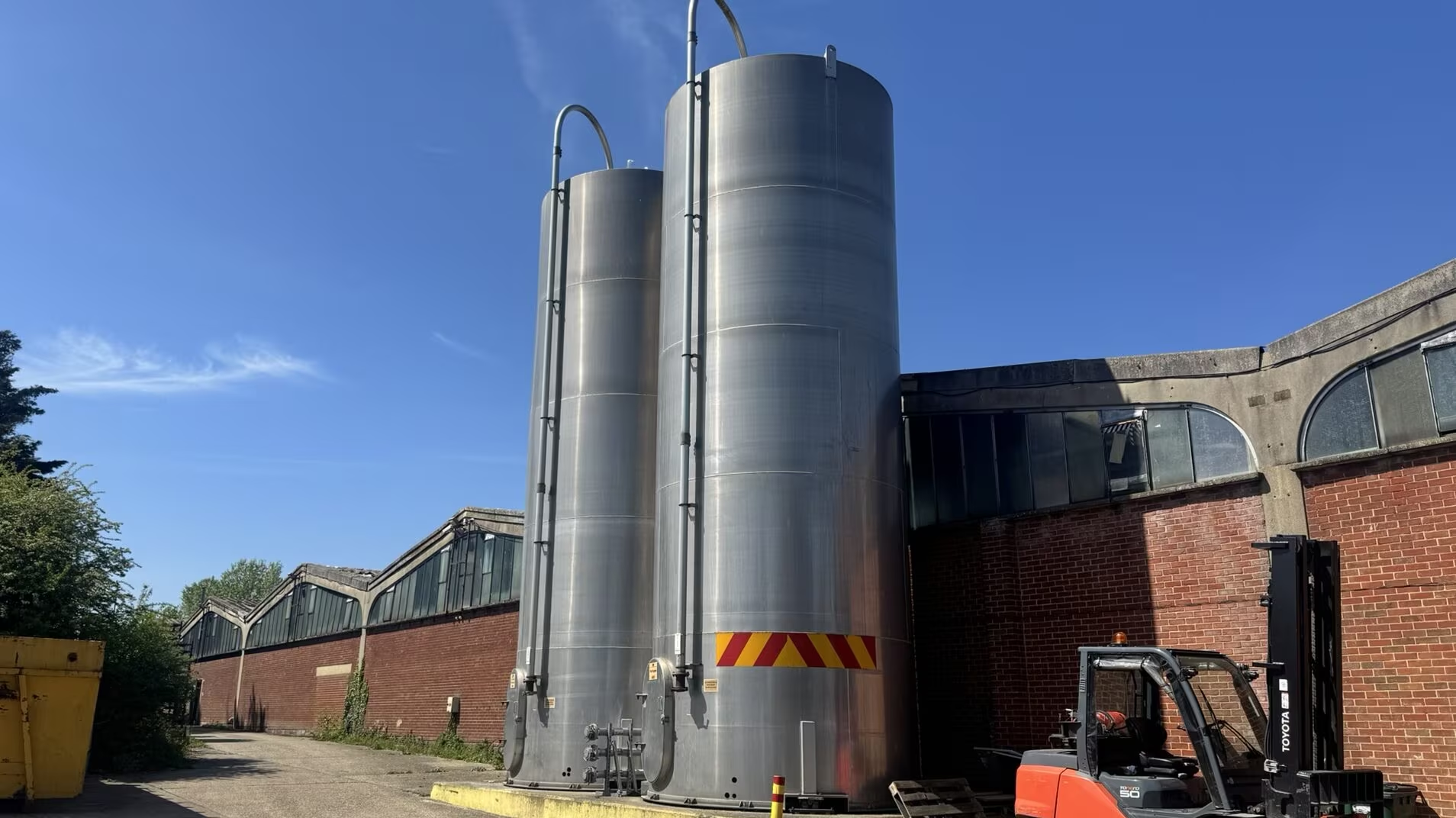
Manufacturing in Ramsgate allows Flambeau Europe to support customers with shorter, more efficient supply chains. That reduces transport miles, lowers freight emissions, and helps avoid some of the hidden environmental and operational costs associated with overseas production.
This local advantage is one of the reasons UK manufacturing remains so commercially compelling. Sustainability improves when the route from manufacturer to customer becomes simpler and more direct.
Our dedicated article detailing how we ensure supply chain resilience through local manufacturing explores this in more detail, particularly from the perspective of long-term stability and control.
Fewer logistics variables mean lower supply chain risk
Long, complex supply chains introduce more variables. More handovers, more transport stages, and more exposure to external disruption can all weaken reliability. Shorter supply chains, by contrast, are easier to manage and easier to trust.
That means sustainability supports resilience. A better-designed supply chain is not only lower impact, but it is also often more predictable too.

Reshoring supports both sustainability and continuity
This is why reshoring increasingly makes sense as both a sustainability decision and a business decision. Bringing production closer to the customer can reduce freight dependency, simplify logistics, and improve long-term operational confidence.
That links directly with the broader commercial case we’ve explored in how businesses can make cost savings when working with UK-based injection moulders.
Sustainable Manufacturing Practices Create Long-Term Value for Clients
The best sustainable manufacturing practices create value beyond a single order or production run. They support stronger long-term outcomes for customers.
Better efficiency helps control cost over time
Sustainability is often associated with cost, but in practice, it can improve cost control. Less waste, smarter material use, efficient tooling, and stronger processes all help reduce unnecessary loss over time. That supports a healthier total cost of ownership, rather than focusing only on short-term unit price.
More stable production improves customer confidence
Customers benefit when manufacturing is predictable. Stronger process control, better equipment, and well-managed supply chains all contribute to higher confidence in delivery, quality, and continuity. Sustainability helps support that confidence because it encourages efficiency and discipline across the full production model.

Stronger processes support better lifecycle outcomes
Long-term client success depends on more than simply making parts today. It depends on maintaining consistency, adapting intelligently, and continuing to improve over time. Sustainable manufacturing practices support those outcomes because they encourage manufacturers to focus on durability, efficiency, and long-term performance.
This is why choosing a long-term injection moulding partner in the UK matters, as stability and continuity play a central role in long-term supply success.
How Flambeau Europe Applies Sustainable Manufacturing Practices in Practice
At Flambeau Europe, sustainability is not framed as a vague promise. It is built into practical decisions that improve manufacturing performance.
Material regrind and waste reduction
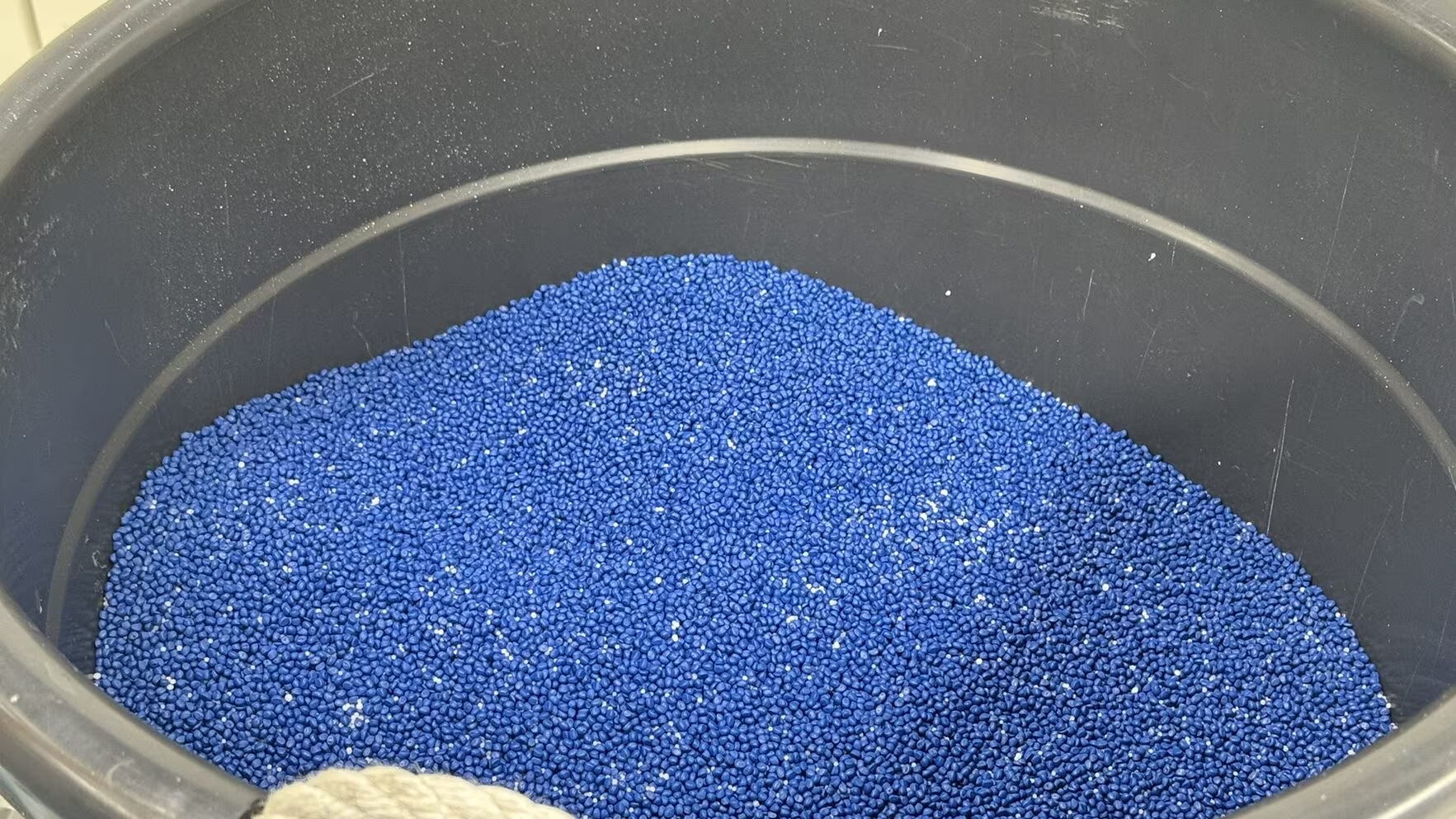
Reducing scrap waste is one of the clearest ways to improve both sustainability and efficiency. Our focus on material control and regrind supports lower waste and better resource use across production.
Efficient tooling and process optimisation
Well-managed tooling improves repeatability, reduces waste, and helps maintain performance over time. That is why optimisation matters not only for quality, but also for sustainability. This is explored further in Tooling Optimisation: Extending the Life and Performance of Your Moulds.

UK-based production in Ramsgate
Our Ramsgate manufacturing base supports shorter supply chains, tighter communication, and lower freight dependency. It gives customers a model that is both more sustainable and more resilient.
A long-term partner mindset
Sustainability works best when it is supported by long-term thinking. At Flambeau, that means continued investment, continuous improvement, and a focus on being a dependable manufacturing partner rather than simply a production supplier. It also means advising customers more effectively, whether through sustainable product design principles, choosing the right plastic material for your product, or engineering support for injection moulding.
This practical, partnership-led approach is a key part of what strong injection moulding customer service looks like in reality.
Why Sustainability Supports Long-Term Partnerships
Long-term partnerships are built on confidence, and confidence comes from consistency. Customers do not need sustainability claims in isolation. They need evidence that their manufacturing partner can reduce waste, improve efficiency, and continue investing in better ways of working.
That is where sustainability and longevity come together. A manufacturer that applies sustainable manufacturing practices effectively is often one that is planning for the future, investing in capability, and building systems that can support long-term customer success.
At Flambeau Europe, sustainability is part of how we protect long-term relationships. It helps us support better outcomes today while also strengthening the reliability and resilience our customers need tomorrow.
Conclusion: Sustainable Manufacturing Practices Support Long-Term Success
Sustainable manufacturing practices are not only about reducing environmental impact. They are about building smarter, more efficient, and more reliable production systems that create long-term value for customers.
By reducing waste, improving process control, investing in newer machinery, and supporting shorter UK-based supply chains, manufacturers can strengthen both sustainability and operational performance at the same time. That is what makes sustainability commercially relevant. It improves reliability, reduces risk, and supports continuity over the long term.
At Flambeau Europe, our approach to sustainability is practical, measurable, and built into the way we deliver complete bespoke solutions and injection moulding services. It is one more reason why customers choose us as a stable, long-term manufacturing partner.
If you are looking for a UK-based manufacturer that combines sustainable manufacturing practices with reliability, efficiency, and long-term support, contact us to discuss your project.
Further Reading
For readers interested in the wider operational value of sustainability in manufacturing, the following articles provide useful additional context:
- Energy Efficiency and Sustainability in Manufacturing: British Standards Institution (BSI), on how energy efficiency supports more sustainable manufacturing operations.
- The Significance of Supply Chain Resilience: BSI, on why resilient supply chains matter and how organisations can strengthen them in unpredictable conditions.