Industry-specific injection moulding matters because different industries do not ask the same things of a moulded part. A component used in a hygiene-led environment will face very different expectations from one used in a technical assembly, a ventilation product, or an automotive application. That is why successful manufacturing is not just about making a part to drawing. It is about understanding how that part will be used, what standards it needs to meet, and what risks need to be reduced from the start.
At Flambeau Europe, we work with customers across multiple sectors, and that experience shapes how we approach projects. Instead of applying a one-size-fits-all process, we use industry-specific injection moulding insight to support better material choices, more practical design decisions, stronger quality control, and a smoother route to production. For customers, that means less trial-and-error and more confidence that the part will perform as intended in the real world.

Why Industry-Specific Injection Moulding Matters
How Industry-Specific Injection Moulding Responds to Different Performance Demands
Not every industry measures success in the same way. In some sectors, tight tolerances and repeatability are critical. In others, hygiene, safety, durability, or long-term wear resistance may matter more. Some applications need lightweight, cost-effective parts produced at scale, while others need high-performance components that must remain stable under more demanding conditions.
That is why industry-specific injection moulding is so important. The more a manufacturer understands the context around the part, the easier it becomes to make decisions that support performance, compliance, and long-term value.
A generic moulding approach can create avoidable risk
A standard approach can work for simple components, but it often creates problems when applications become more demanding. Choosing the wrong material, overlooking sector-specific compliance expectations, or designing without enough consideration for how the part will actually be used can all create avoidable rework later.
This is one reason why customers often benefit from support that goes beyond basic injection moulding production. A more informed approach reduces guesswork and helps prevent issues before they become expensive.
Common Challenges Industry-Specific Injection Moulding Helps Solve
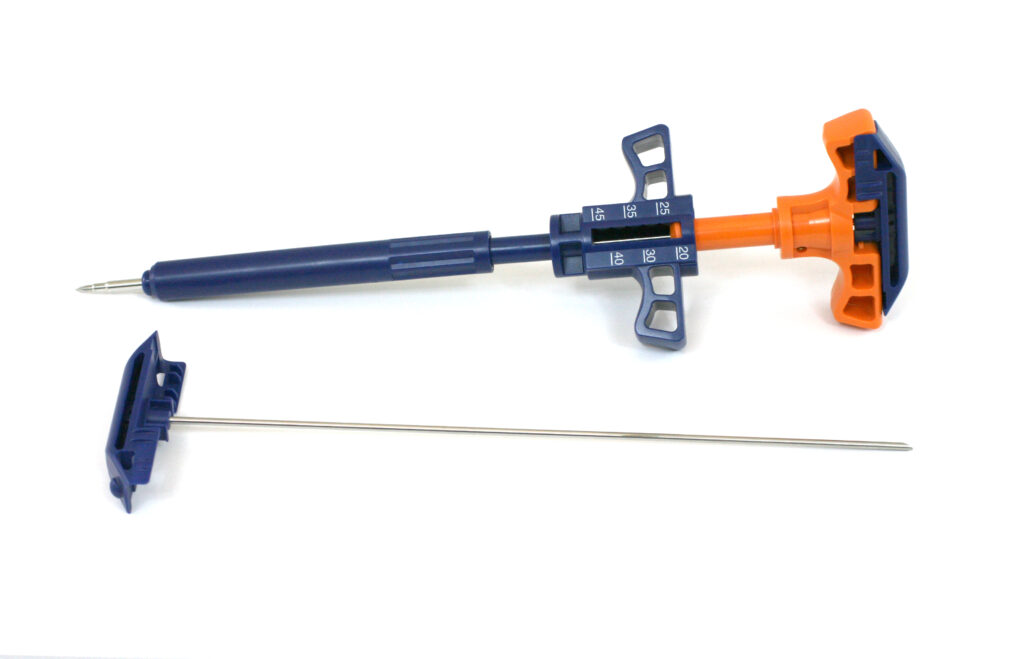
Tight tolerances and repeatability in technical applications
Many industries depend on components performing consistently across every production run. Small variations in dimensions, fit, or finish can create wider issues in assembly or end use. In technical applications, repeatability is not just a nice-to-have. It is essential.
For these kinds of parts, industry-specific injection moulding helps by aligning tooling, processing, and quality expectations to the demands of the sector rather than relying on a generic production model.
Hygiene, safety, and compliance in regulated environments
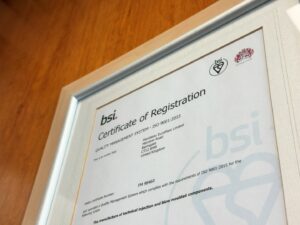
Some industries face stricter controls around cleanliness, safety, traceability, and documentation. In these cases, manufacturing decisions must support not only performance, but confidence in the wider process. The part needs to be right, but the route to getting it right matters too.
That is why a broader understanding of regulatory approvals and quality assurance can be so important when supporting regulated applications.
Durability and performance in demanding end-use conditions
Other sectors place greater emphasis on long-term durability. Components may need to resist repeated use, harsh environments, or more demanding mechanical requirements. In these cases, design and material decisions have a major influence on long-term performance.
That is where choosing the right material becomes a strategic decision rather than a simple selection exercise. Articles such as choosing the right plastic material for a product are relevant here because material choice directly shapes how well a part performs in service.
Cost pressure without compromising quality
Across almost every sector, customers want to balance cost and quality. They need a commercially viable solution, but not one that creates hidden risks later through inconsistency, early failure, or unnecessary redesign.
That balance is often easier to achieve when the manufacturer understands the end-use environment and can guide decisions more intelligently from the start.

How Industry-Specific Injection Moulding Helps Solve These Challenges
Better material and design decisions from the start
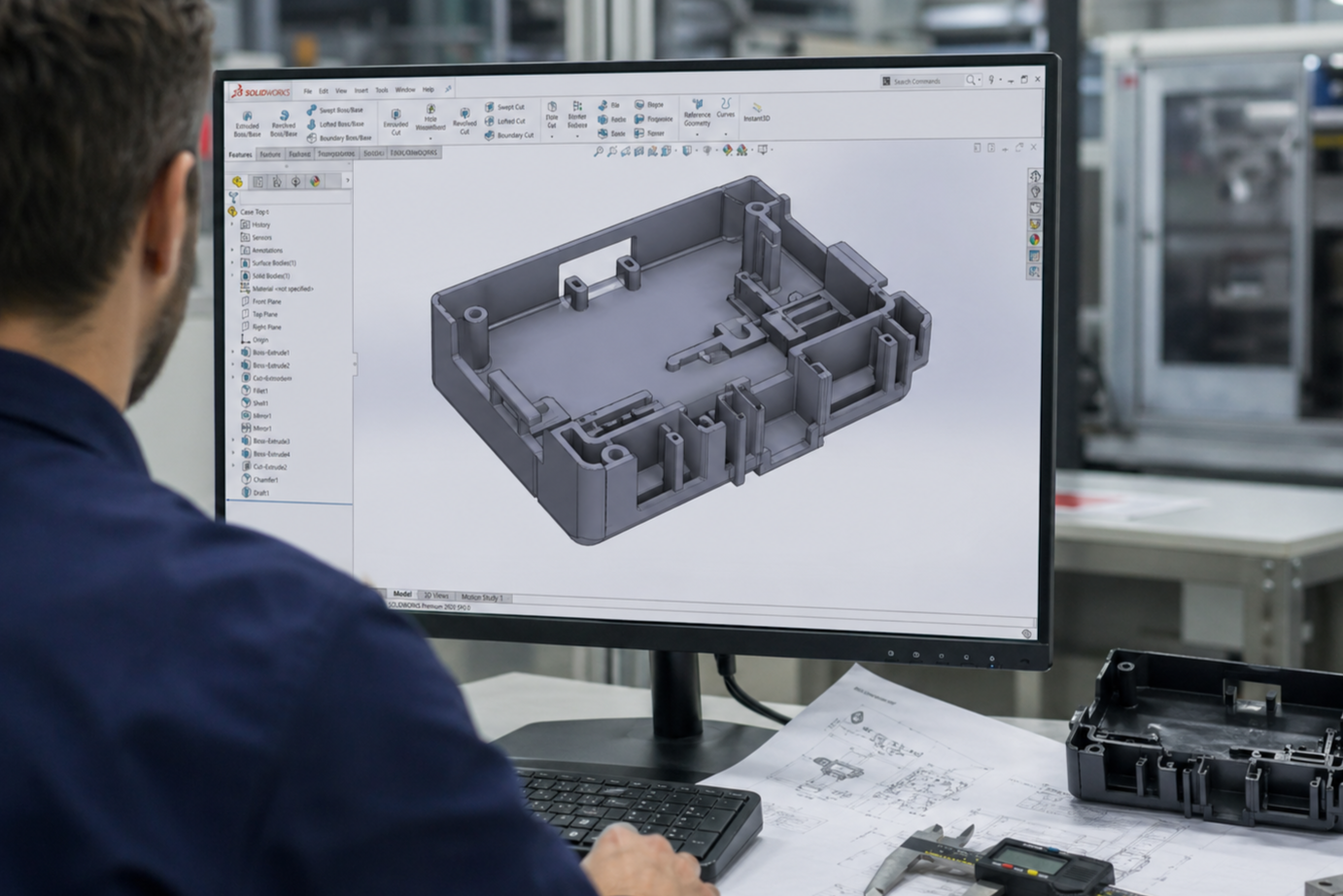
The earlier sector requirements are considered, the easier it becomes to make the right decisions. Material selection, wall thickness, geometry, and functional design all influence whether a part performs well in its intended environment.
This is why industry-specific injection moulding often reduces trial-and-error. A manufacturer with sector awareness can help guide better choices earlier, avoiding issues that might otherwise surface later in tooling or production. That also links naturally with sustainable product design principles, where informed decisions at the design stage can improve both performance and efficiency.
Tailored tooling and process strategies
Different industries create different priorities, and tooling and process strategies should reflect that. A part that demands precision and repeatability may need a different approach from one where cost efficiency and throughput are the main concern. The best results come when production strategy matches the real demands of the application.
Stronger quality control and compliance alignment
Quality is not just about passing inspection at the end. It is about building the right controls into the process from the beginning. When manufacturing is aligned to the specific standards and risks of the sector, customers gain more confidence that the outcome will remain consistent over time.
How Flambeau Supports Customers with Bespoke, Industry-Aware Solutions
Industry-Specific Injection Moulding Means Looking Beyond the Part Itself
At Flambeau Europe, we do not see a moulded part in isolation. We look at how it will be used, what the customer is trying to achieve, and what pressures exist around performance, assembly, compliance, and supply. That broader view helps us add value beyond the part itself.
This is central to our Complete Bespoke Solutions approach. Rather than simply processing an order, we help shape a route to production that is more practical, more dependable, and better aligned with the customer’s real-world needs.
Our support adapts to the realities of each sector
Different sectors create different questions, so our support needs to adapt accordingly. In some projects, that means helping refine design details. In others, it means focusing more heavily on process control, tooling considerations, or quality requirements. The point is not to force every project through the same model. The point is to support the project in the way it actually needs.
That is also why engineering support for injection moulding plays such an important role in many customer relationships. When the stakes are higher, early technical guidance becomes more valuable.
Quality and consistency remain central
Whatever the sector, customers still need confidence in quality, repeatability, and responsiveness. Bespoke support does not mean inconsistency. It means adapting intelligently while still maintaining strong control over delivery and performance.
This is one reason customers also value end-to-end injection moulding support, where design, tooling, moulding, and logistics can be better aligned from start to finish.
Why Industry-Specific Injection Moulding Needs More Than Standard Production
Some challenges cannot be solved with a one-size-fits-all approach
Many projects can be produced. Fewer are genuinely optimised. The difference often comes down to whether the manufacturer understands the sector-specific challenge well enough to improve the route to solution, not just the final output.
The Right Industry-Specific Injection Moulding Partner Reduces Trial-and-Error
A stronger manufacturing partner helps shorten the learning curve. They bring sector awareness, technical understanding, and practical judgement to the process. That reduces wasted time, prevents avoidable missteps, and helps customers move forward with more confidence.
This is also where the value of a trusted manufacturing partner becomes clearer. Trust matters because customers need to know their supplier can support the realities of their market, not just the requirements on a drawing.
Conclusion: Better Insight Leads to Better Manufacturing Outcomes
Industry-specific injection moulding improves outcomes because it reduces guesswork. When a manufacturer understands the application, the risks, and the standards that matter in a given sector, they can make better decisions from the start. That helps customers improve performance, reduce friction, and move projects forward more effectively.
At Flambeau Europe, we combine industry awareness with bespoke support, practical problem-solving, and a strong commitment to quality. If you are looking for a manufacturing partner that understands more than the part itself, explore our Injection Moulding and Complete Bespoke Solutions services, or visit our Contact page to start a conversation.