Sustainability in manufacturing only matters when it leads to practical, measurable improvements. At Flambeau Europe, the plastic regrind process plays an important role in reducing scrap waste, improving material efficiency, and supporting a more responsible manufacturing model.
Instead of treating all scrap as unusable waste, we assess suitable material, recover it, and reintroduce it in a controlled way where the application allows. That approach helps us make better use of materials already in the system.
At Flambeau Europe, we apply this process as part of a broader engineering-led mindset. We focus on improvements that support quality, efficiency, and sustainability together, rather than treating them as separate objectives.

What the Plastic Regrind Process Actually Means
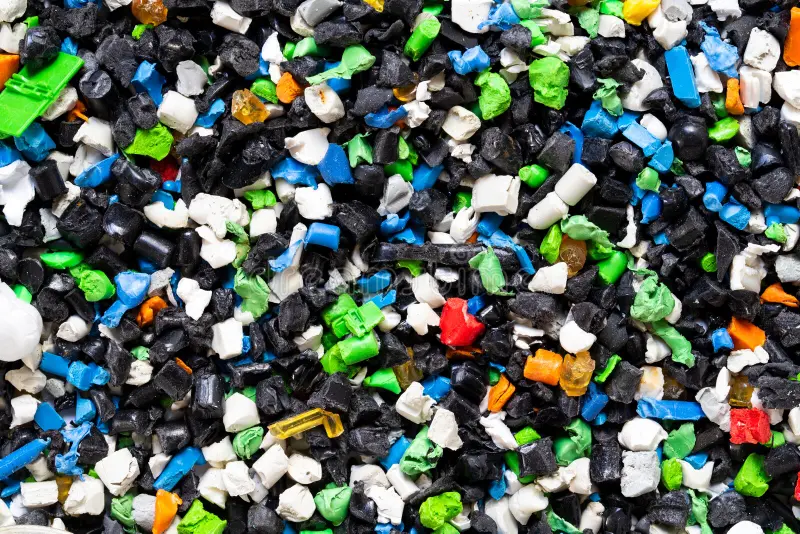
The plastic regrind process involves recovering suitable scrap plastic created during manufacturing and preparing it for controlled reuse. In injection moulding, not every piece of plastic ends up in the final part. Runners, sprues, start-up waste, and trimmed excess can all create material that still holds value.
Where that material remains clean and appropriate for reuse, we collect it, grind it down, and reintroduce it into the process in the right applications. This allows us to reduce unnecessary disposal and improve overall material efficiency.
Just as importantly, regrind is not a universal answer for every product or material. We assess it carefully, manage it properly, and apply it only where it supports both performance and consistency. That practical judgement reflects how we approach injection moulding more broadly. Sustainability has to work in the real world, not only in theory.
Where Scrap Material Comes From in the Plastic Regrind Process
Several stages in injection moulding can generate scrap plastic, even in a controlled production environment.
Common sources include:
- runners and sprues formed during mould filling
- start-up material produced while the process stabilises
- trimmed excess from finishing or post-processing
- clean production waste that remains suitable for controlled reuse
In many cases, this material still has value. The key lies in understanding what can be recovered, what should be separated, and what should not return to the process.
That principle aligns closely with wider efficiency thinking across manufacturing. A broader view of process control and waste reduction also appears in our article “Reducing Waste in Manufacturing”, where disciplined production methods reduce avoidable loss from the start.
How the Plastic Regrind Process Works in Practice
The plastic regrind process only works when teams handle it carefully and consistently. The goal is not to grind every scrap stream and reuse it everywhere. Instead, the goal is to recover suitable material and reintroduce it in a controlled, appropriate way.
Plastic regrind process step 1: Collecting and separating suitable scrap
We begin by identifying material that remains suitable for regrind. Clean, non-contaminated scrap is separated from material that should not be reused. This stage matters because poor segregation can create inconsistency later.
At Flambeau Europe, our teams make these decisions with practical manufacturing judgement, not broad assumptions. If a material stream is not right for reuse, we remove it from that route.
Plastic regrind process step 2: Grinding material into a reusable form
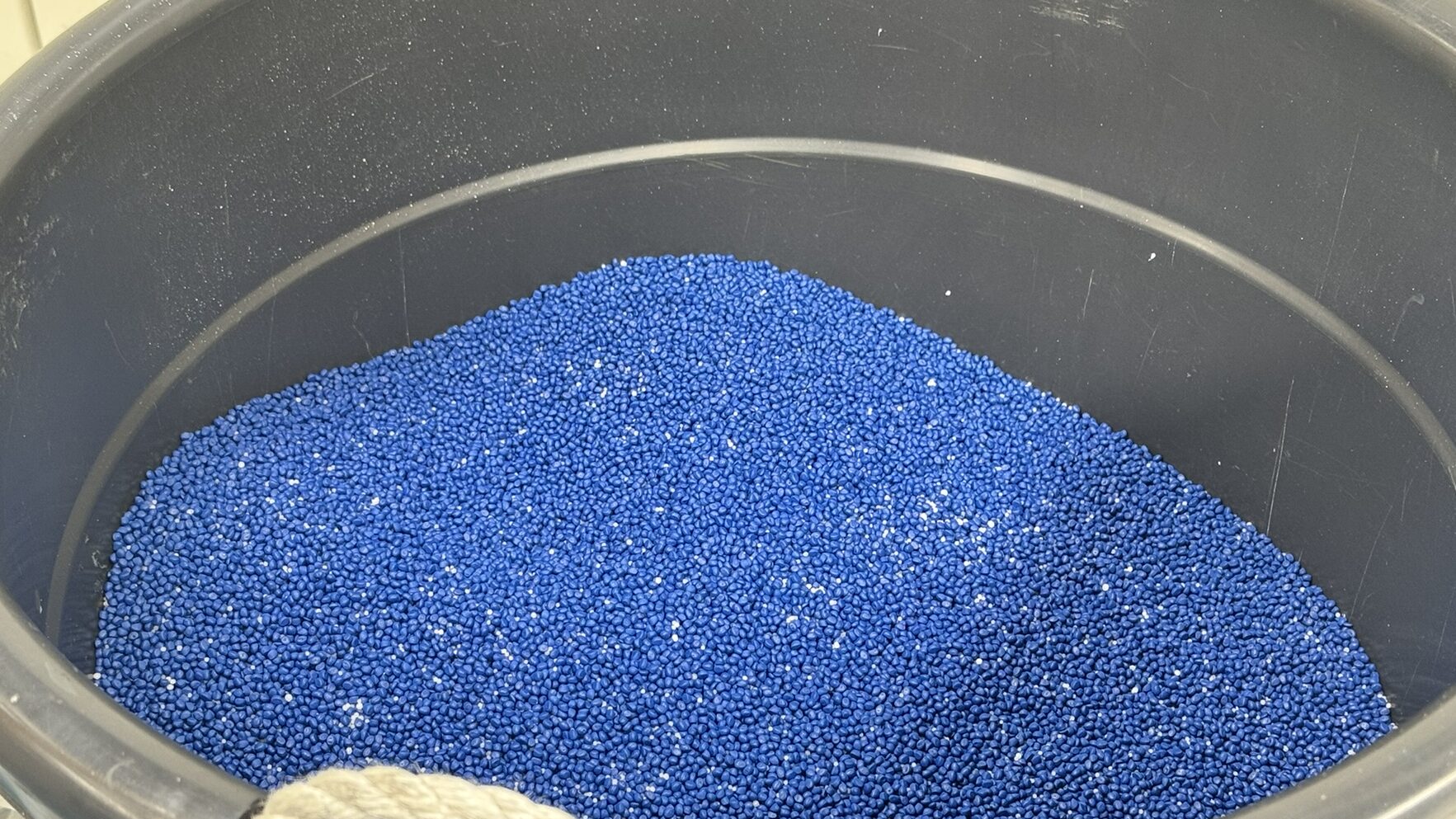
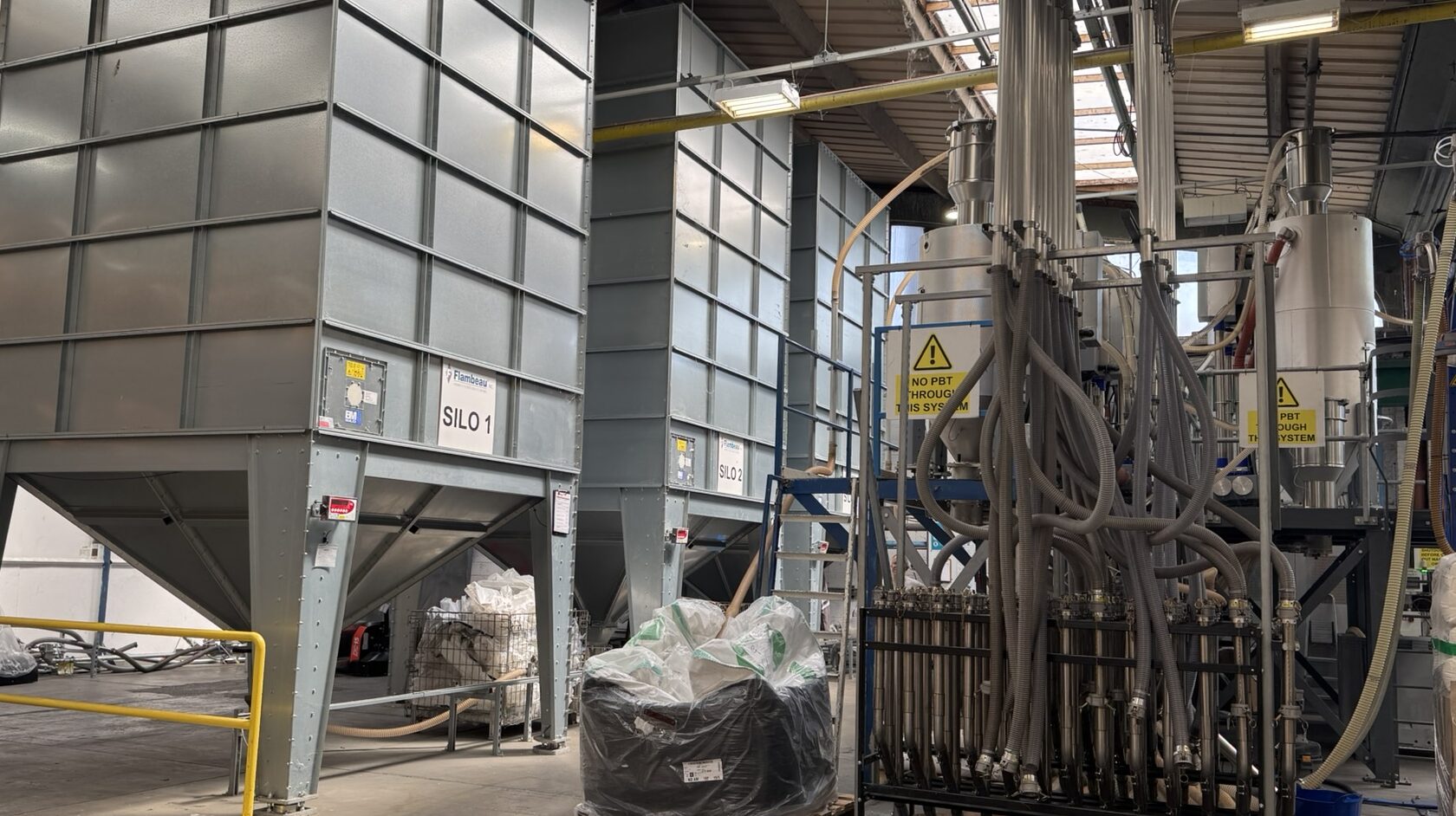
Once we identify suitable scrap, we process it into regrind. That creates a reusable material stream that may return to production, depending on the polymer, product requirements, and application.
The point of this stage is simple: recover value from suitable material without introducing unnecessary risk into the product or the process.
Plastic regrind process step 3: Reintroducing material in a controlled way
Reintroducing regrind requires control. The right ratio, the right product type, and the right performance expectations all matter. Engineering and process discipline guide those choices.
At Flambeau Europe, we treat regrind as part of a wider manufacturing system shaped by process control, testing, and technical judgement. It sits alongside our broader capabilities and our complete bespoke solution approach, where each decision supports the needs of the product and the customer.
How This Process Helps Reduce Waste
The clearest benefit of the plastic regrind process is waste reduction. When we recover suitable scrap instead of discarding it, we reduce the amount of usable material leaving the process unnecessarily.
That creates several practical benefits:
- Less suitable plastic goes to waste
- Material efficiency improves
- Virgin material use can be reduced in appropriate applications
- Production becomes more resource-conscious
For customers, that matters because sustainability improvements work best when they are built into day-to-day manufacturing. The plastic regrind process offers a practical example of that principle. It relies on process decisions and engineering control rather than broad marketing statements.
This also fits naturally within Flambeau’s wider responsible manufacturing approach, which you can explore further in our sustainability policy.
Why the Plastic Regrind Process Must Be Managed Properly
Not every material is suitable for reuse in every application. That is why the plastic regrind process must be managed with care.
Some products demand tighter performance standards than others. Some polymers respond differently after reprocessing. Some applications simply do not allow the same material strategy at all. For those reasons, sustainability can never come at the expense of product quality or repeatability.
At Flambeau Europe, we assess regrind in context. We consider the polymer, the part, the end use, and the production requirements before deciding how and where reuse is appropriate.
That same engineering-led mindset is super important when it comes to part optimisation for injection moulding, where process improvements only count when they also support better product outcomes.
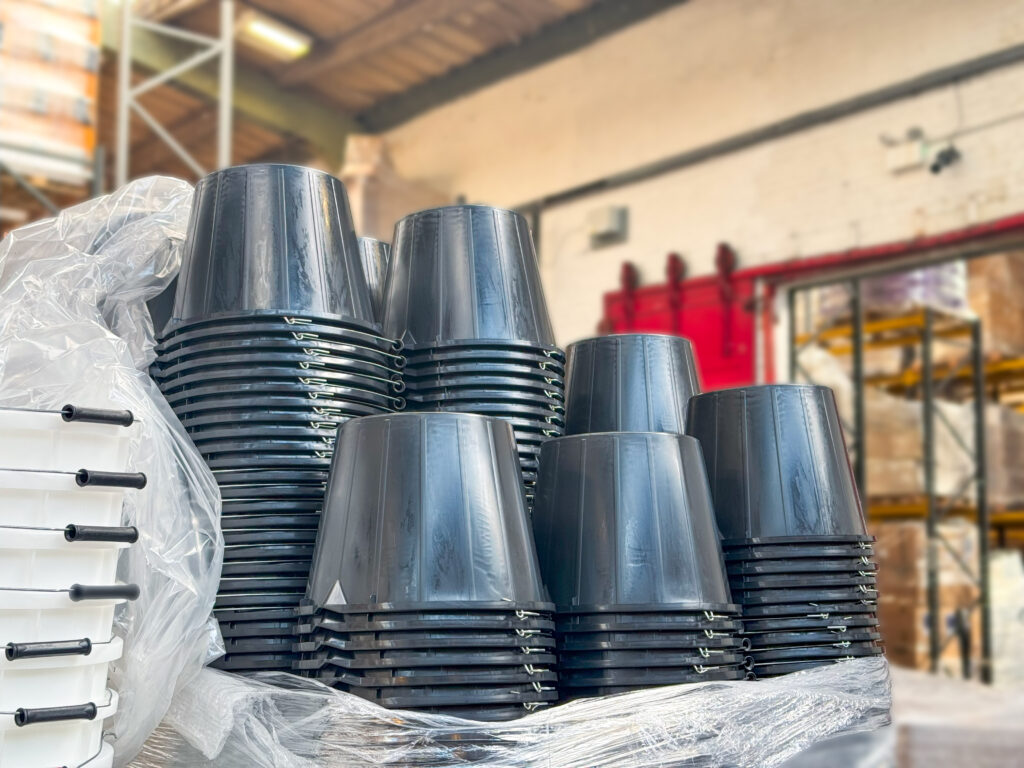
How Flambeau Applies the Plastic Regrind Process as Part of Smarter Manufacturing
At Flambeau Europe, we do not treat the plastic regrind process as a standalone sustainability claim. We treat it as part of a broader manufacturing approach built around practical improvement.
Our teams look at sustainability the same way they look at tooling, design refinement, and process optimisation. We ask how a decision affects the product, the process, and the long-term result. That means we use regrind where it makes sense, and we avoid it where it does not.
This balanced approach reflects the way we support customers through complete bespoke solutions. We do not isolate one process and optimise it in a vacuum. We consider how material handling, moulding performance, quality, and lifecycle requirements work together.
That is one reason Flambeau acts more like a manufacturing partner than a transactional supplier. We help customers make better decisions across design, tooling, production, and process control.
Sustainability Value
The plastic regrind process reduces waste, but its value sits within a bigger operational picture.
When manufacturers improve material efficiency, they strengthen production discipline too. They reduce unnecessary waste streams, support better resource use, and build more resilient manufacturing systems. Alongside efficient tooling, strong process control, and local production, regrind contributes to a more practical sustainability model overall.
Local manufacturing plays a role here as well. A shorter supply chain supports tighter control and reduces logistics-related impact. That wider benefit comes through clearly in how we ensure supply chain resilience through local manufacturing.
At Flambeau Europe, sustainability is not something we bolt on afterwards. We build it into the way we work.
Conclusion
The plastic regrind process shows what practical sustainability looks like in manufacturing. It reduces suitable scrap waste, improves material efficiency, and supports more responsible production decisions without losing sight of quality and performance.
At Flambeau Europe, we apply this process as part of a wider engineering-led approach. We focus on real improvements, measurable benefits, and manufacturing decisions that work in practice.
If you would like to learn more about how we approach responsible production, you can explore our sustainability policy, read more about production waste management & recycling, or browse our wider capabilities. If you have a product, material, or process question, please visit our contact page or send details through our quote form.
Further Reading
For more background on plastics recycling and responsible resource use in manufacturing, these external resources are useful:
British Plastics Federation – information on plastics manufacturing, recycling, and industry best practice: https://www.bpf.co.uk
WRAP – guidance and resources on materials, waste reduction, and circular economy thinking: https://wrap.org.uk