Plastic has transformed our world for over a century, shaping everything from household items to industrial components. Its versatility, durability, and efficiency make it indispensable. Yet the story of the history of plastic materials is more than convenience — it is a journey of invention, innovation, and adaptation, leading to today’s sustainable approaches.
Today, so many products are made from plastic, and in this blog, we explore the history of plastic materials, from early thermosetting plastics like Bakelite to modern bioplastics, highlighting the innovations that have shaped the industry and businesses like Flambeau Europe.

The Birth of Synthetic Plastics: Bakelite, Faturan, and Catalin
The first widely recognised synthetic plastic, Bakelite, appeared in 1907, thanks to Belgian-American chemist Leo Baekeland. Its durability, heat-resistance, and electrical non-conductivity made it perfect for electrical components, radios, telephones, and early consumer products.
Soon after, innovators developed other early plastics, such as Faturan and Catalin. Manufacturers used Faturan, a thermosetting plastic derived from phenol-formaldehyde resins, in beads, jewellery, and decorative items. Meanwhile, Catalin, another phenolic resin, gained fame for its transparency and vibrant colours, appearing in radios, novelty items, and costume jewellery.

These early plastics offered a playground for experimentation. As a result, they demonstrated the potential of synthetic materials and inspired new manufacturing techniques. This era laid the foundation for plastic manufacturing as we know it today: innovative, adaptable, and endlessly creative.

The Rise of Petroleum-Based Plastics in the Evolution of Plastic Materials
The mid-20th century marked a turning point for the history of plastic materials, driven by the development of petroleum-based polymers. These materials reshaped manufacturing, consumer goods, and industrial processes, creating the plastics-dominated world we live in today.
Key milestones and their impact include:
PVC (Polyvinyl Chloride) – 1920s
PVC first appeared in the 1920s, primarily for electrical insulation and piping. Its durability, chemical resistance, and affordability made it ideal for building and construction. By the 1930s and 1940s, manufacturers produced PVC products ranging from records and raincoats to medical tubing. Consequently, it became a staple in industrial and consumer applications.
Polystyrene – 1930s
Discovered in the 1930s, polystyrene initially served for insulation and household items. Its rigid, lightweight nature suited radio casings, toys, and eventually disposable packaging. During World War II, industries adopted polystyrene for military equipment, proving its adaptability. After the war, polystyrene exploded in popularity, particularly in food packaging, foam insulation, and laboratory ware.
Polyethylene (PE) – 1930s–1940s
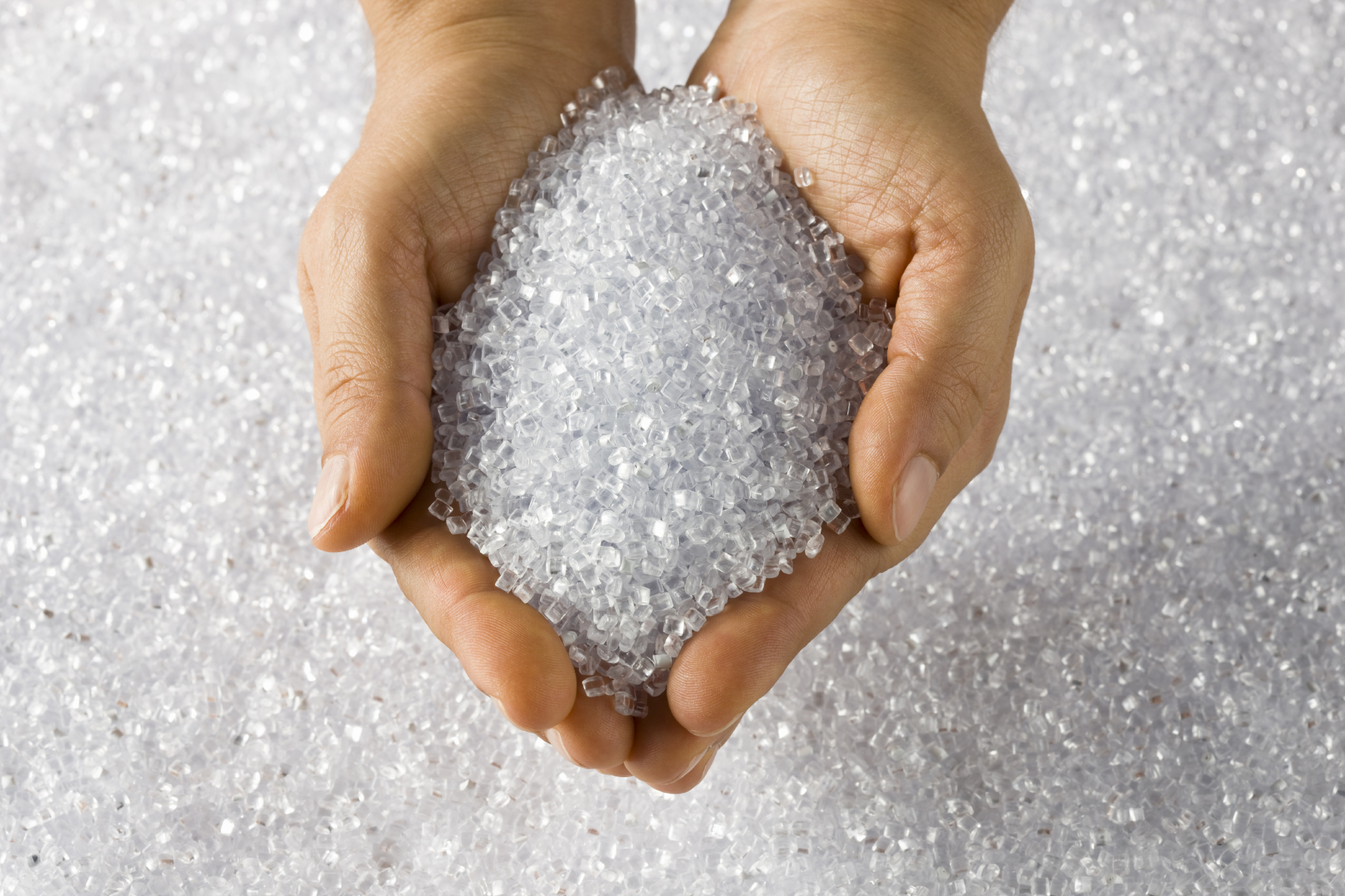
Polyethylene, developed in low-density (LDPE) and high-density (HDPE) forms, revolutionised packaging and containers. Manufacturers used LDPE in films, bags, and wrappings, while HDPE, developed in the 1950s, offered sturdier solutions for bottles, tanks, and piping. Its combination of strength, flexibility, and chemical resistance established polyethylene as the backbone of modern packaging.

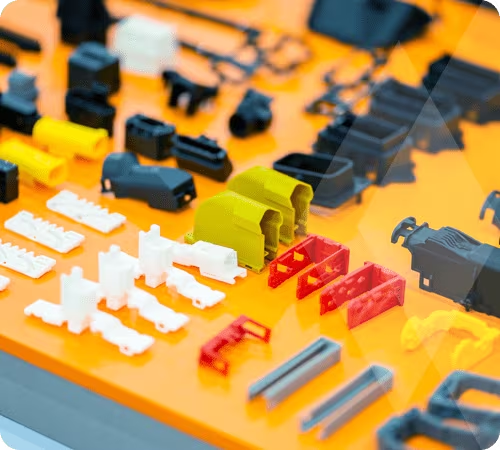
(An example of products made from ABS)
Acrylonitrile Butadiene Styrene (ABS): The Durable All-Rounder
Among the most versatile petroleum-based plastics is ABS, widely recognised for its balance of strength, toughness, and impact resistance. Unlike lighter packaging plastics such as polyethylene or PET, ABS is commonly used in more demanding applications where durability and finish matter.
From automotive parts and consumer electronics to power tool housings and LEGO bricks, ABS demonstrates how plastics can combine performance with design flexibility. Its ability to be coloured, textured, and finished makes it a favourite for branded consumer products, while its mechanical properties allow manufacturers to engineer long-lasting components. For manufacturers, ABS is particularly well-suited to injection moulding, delivering consistent results across high-volume production runs. Its resilience also makes it an attractive material for projects requiring precision moulding and tight tolerances.
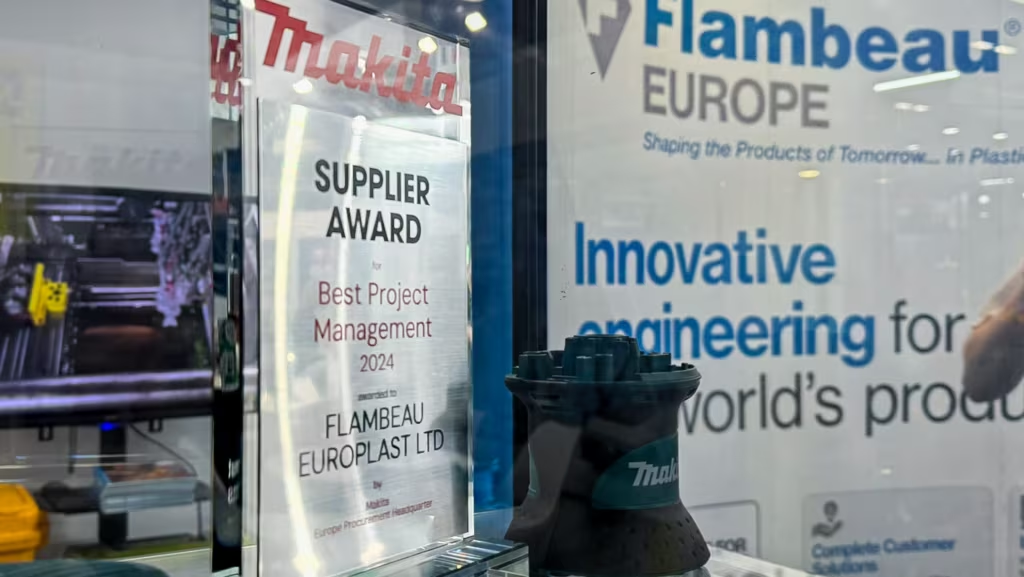
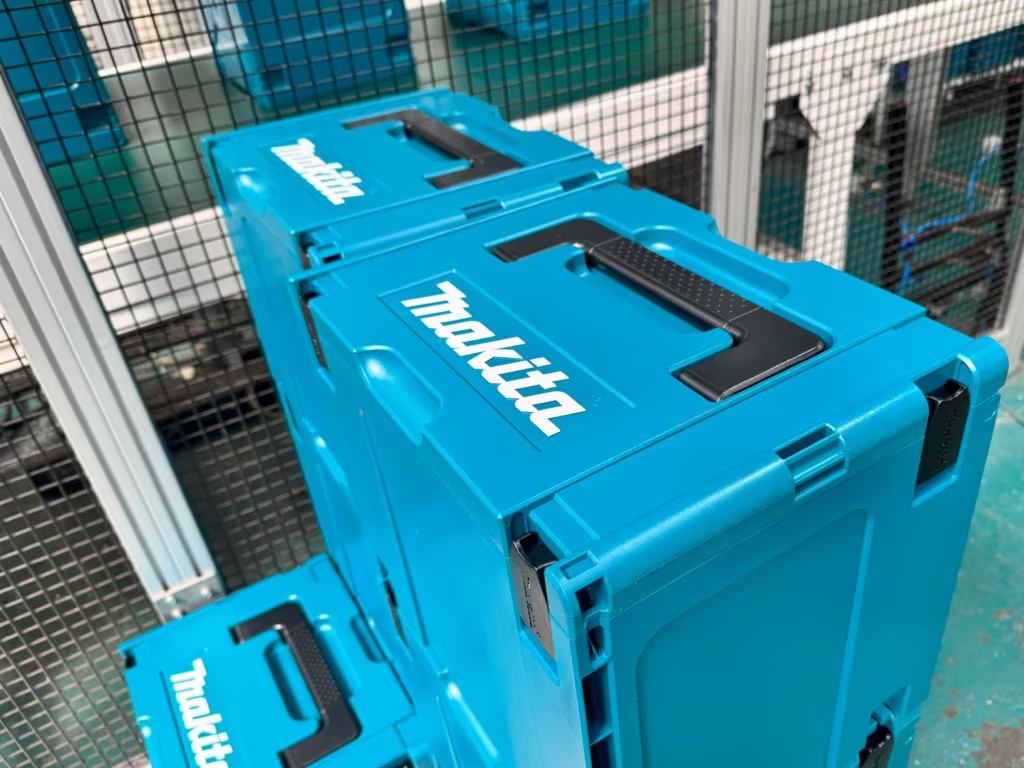
We use ABS widely in our partnership with Makita, creating their famous connector cases that house power tools. You can read more about our work with the global brand here.
Polypropylene (PP) – 1950s
Polypropylene emerged in the 1950s, celebrated for its durability, heat resistance, and chemical stability. Manufacturers quickly adopted it for automotive parts, industrial components, textiles, and consumer packaging. Its light weight and recyclability made it ideal for food containers, carpets, and luggage.

PET (Polyethylene Terephthalate) – 1970s
PET appeared in the 1940s but gained widespread use in the 1970s. It became the preferred material for beverage bottles, food packaging, and textiles. Its transparency, strength, and recyclability cemented its role in both consumer and industrial sectors. PET’s adoption highlighted the growing importance of combining performance with sustainability.
Why Petroleum-Based Plastics Became Dominant in Plastic Materials
Several factors explain the dominance of petroleum-based plastics:
- Versatility: Manufacturers could engineer these plastics for a wide range of applications, from rigid automotive parts to flexible packaging films.
- Cost-efficiency: Petrochemical-derived plastics proved cheaper to produce at scale than natural alternatives like cellulose or rubber.
- Durability: Their resistance to heat, chemicals, and mechanical stress allowed manufacturers to replace traditional materials like wood, glass, and metals.
- Mass production capability: When paired with moulding processes such as injection moulding, blow moulding, and extrusion, petroleum-based plastics enabled high-volume, cost-effective manufacturing.
You can learn more about the types of plastic we use in our products here at Flambeau Europe here.
By the 1950s–1970s, petroleum-based plastics appeared everywhere, forming the backbone of consumer products, industrial components, and packaging. Today, they remain essential. Importantly, the real challenge is not the material itself but ensuring proper recycling, collection, and responsible reuse.

Injection Moulding and Other Plastic Manufacturing Techniques
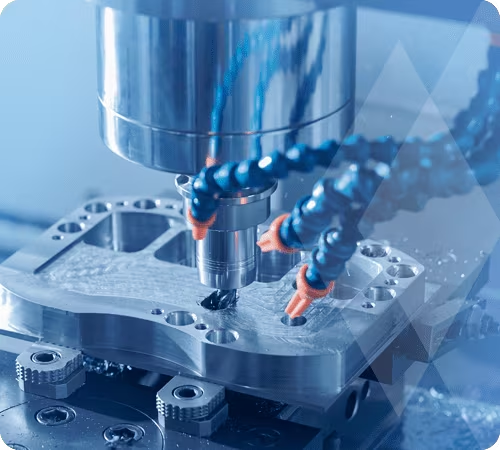
Injection moulding has driven the history of plastic materials since its commercialisation in the 1940s. By forcing molten plastic into precision-engineered moulds, manufacturers can produce complex shapes with consistent quality. For businesses like Flambeau Europe, injection moulding forms the backbone of our operations, allowing us to deliver high-quality, bespoke components at scale.
Manufacturers also rely on other techniques to meet diverse demands:
- Blow moulding – creating hollow objects like bottles and tanks
- Vacuum forming – shaping sheets of plastic over a mould
- Rotational moulding – producing large, hollow items such as storage tanks
- Compression moulding – forming durable thermosetting plastics
Together, these techniques provide the flexibility and efficiency required to serve industries from automotive to healthcare. Learn more about the injection moulding process here.

Sustainability and Recycling in the Evolution of Plastic Materials
Plastic itself does not cause environmental harm; poor management does. Many people assume petroleum-based plastics cannot be recycled, which leads to unnecessary waste. In reality, most plastics can be recycled multiple times into new applications if properly collected and processed.
Flambeau Europe works closely with clients to:
- Source recycled and sustainable polymers
- Implement lean, energy-efficient manufacturing
- Optimise assembly and finishing processes to minimise waste
- Educate customers about sustainable use and recyclability
This approach ensures plastics remain valuable, reusable resources rather than disposable materials. In addition, it demonstrates that innovation and education are key to solving environmental challenges.
The Emergence of Bioplastics in Plastic Materials
Alongside recycled petroleum-based plastics, bioplastics offer renewable alternatives. Made from corn starch, sugarcane, or cellulose, bioplastics can biodegrade while still meeting performance requirements.
Applications include packaging, consumer goods, automotive parts, and medical devices. Bioplastics complement recycled conventional plastics by reducing carbon impact and supporting a circular economy. You can read more about the sustainability developments and trends for 2025 here.
Flambeau Europe: Leading Plastic Materials Today
At Flambeau Europe, we combine decades of expertise with modern innovation. Our facilities deliver:
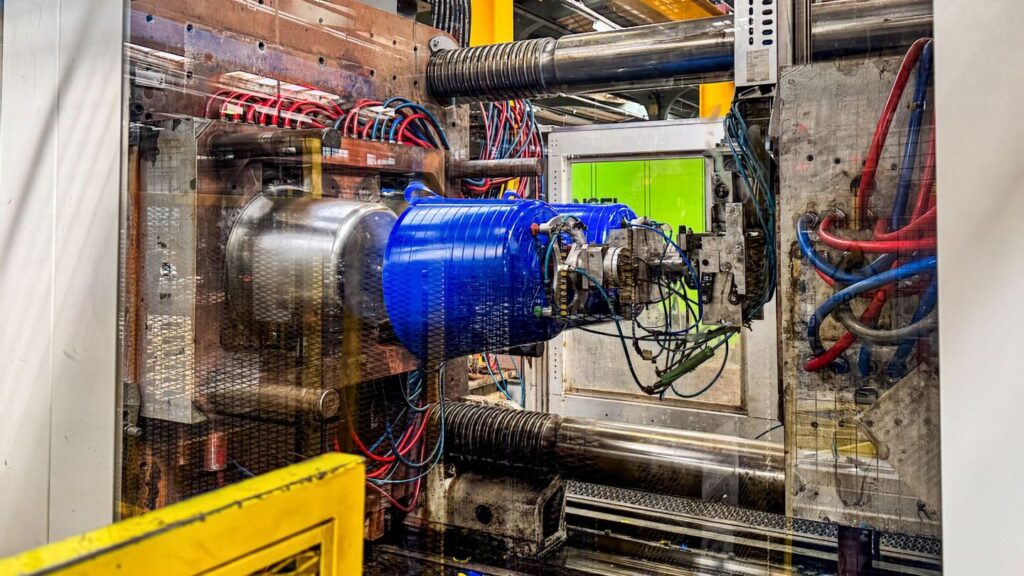
- Injection moulding for high-precision, high-volume components
- Blow moulding, vacuum forming, and rotational moulding for diverse product requirements
- End-to-end solutions from design, tooling, assembly, and delivery, learn more here!
We prioritise sustainable practices, helping clients use recycled and bioplastic materials responsibly. We also focus on educating clients and the public about plastics’ recyclability, showing that innovation and sustainability go hand in hand.
Conclusion
From Bakelite to bioplastics, the history of plastic materials reflects a century of human ingenuity and problem-solving. Petroleum-based plastics powered the modern industrial world and remain essential today due to their versatility, performance, and recyclability.
At Flambeau Europe, we embrace this legacy while driving forward sustainable manufacturing solutions. We help clients harness plastics’ potential responsibly, combining innovation with environmental stewardship.
Understanding the history of plastic materials provides context for our innovations and highlights the importance of education, recycling, and sustainability in shaping the future of plastics.
Explore how Flambeau Europe can support your projects with bespoke plastic moulding solutions designed for performance, sustainability, and long-term value.