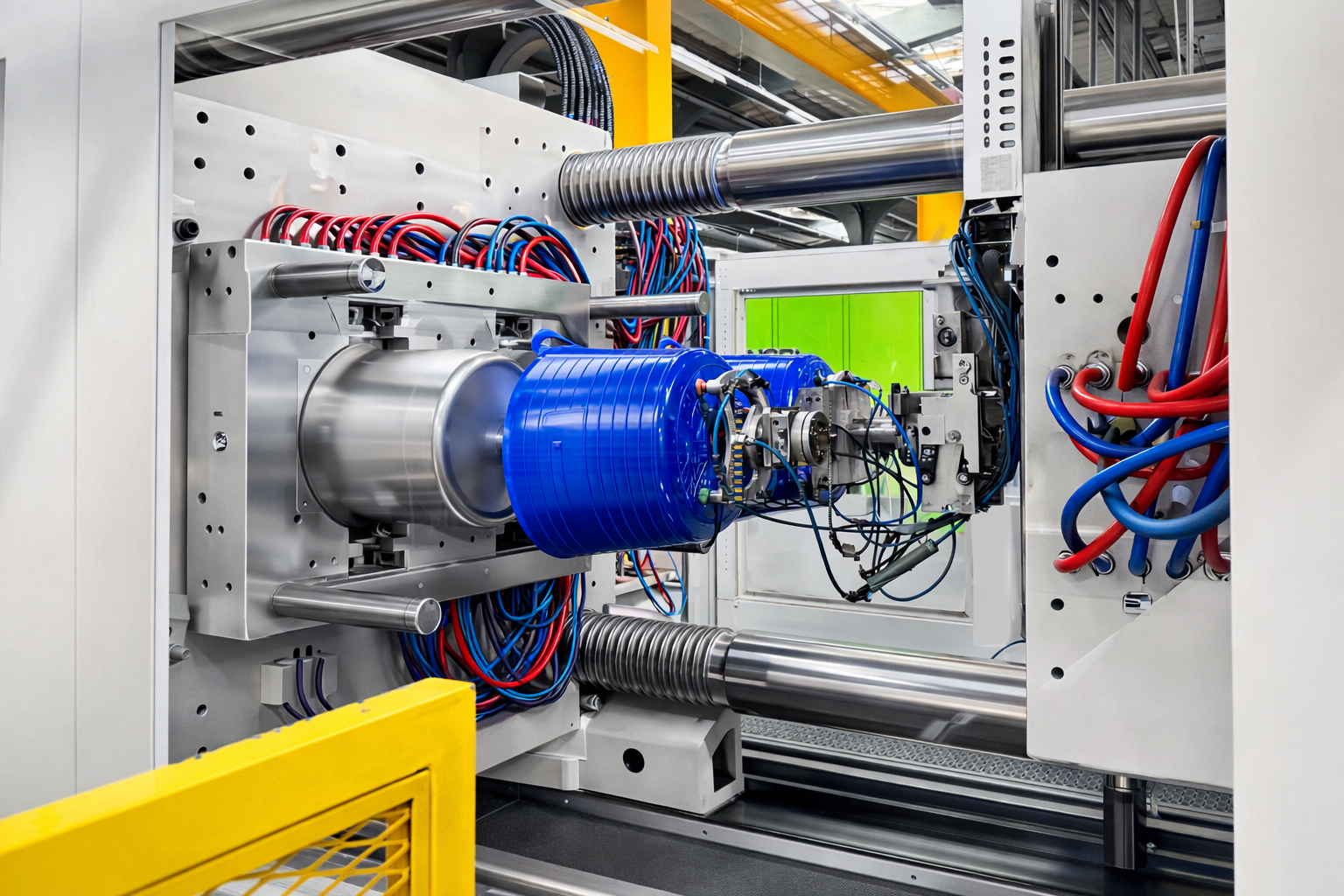
Reducing cycle times in injection moulding requires smart tooling, engineering insight, and a bespoke approach to process optimisation.
Reducing cycle times in injection moulding is one of the most effective ways to improve manufacturing performance. When cycle times are optimised properly, businesses can increase output, improve process efficiency, and make better use of available capacity without sacrificing consistency.
However, true optimisation is not about simply running faster. It depends on how well tooling, cooling, part design, material behaviour, and process stability work together. If one of those elements falls out of balance, attempts to reduce cycle times can introduce defects, increase variation, or place unnecessary strain on the tool.
At Flambeau Europe, we treat cycle time reduction as an engineering challenge rather than a production shortcut. Through bespoke tooling insight, design refinement, and process optimisation, we help customers improve performance while maintaining the quality and repeatability their products demand.
Why Reducing Cycle Times in Injection Moulding Matters
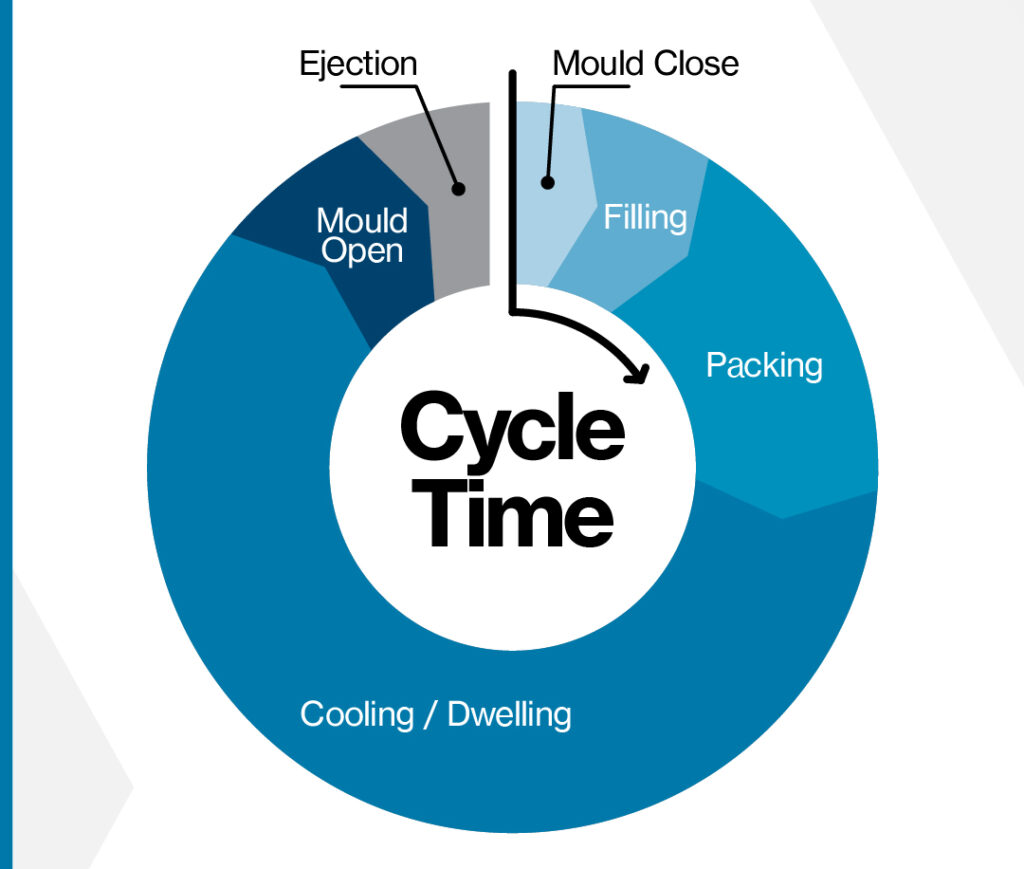
Cycle time affects more than production speed. It influences throughput, capacity, planning, and the overall efficiency of a moulding programme.
When a process runs efficiently, a manufacturer can produce more components in the same available production window. That creates practical benefits across the wider operation. It can improve scheduling flexibility, support better lead time performance, and help maintain continuity when demand changes.
Reducing cycle times in injection moulding also plays a role in long-term manufacturing performance. More efficient cycles can lower unnecessary energy use, improve machine utilisation, and support better overall productivity when the process remains stable. This is one reason the British Plastics Federation guidance on effective mould cooling and cycle time reduction (link under further reading) is a useful external reference when discussing cycle efficiency and energy performance.
For customers, the value is clear. A well-optimised process supports output and reliability at the same time.
What Affects Reducing Cycle Times in Injection Moulding
Cycle time is shaped by multiple factors. It is not determined by machine settings alone, and it cannot be improved through one universal adjustment.
Cooling performance when reducing cycle times
Cooling often has the biggest influence on the total cycle. If heat is not removed efficiently and evenly, parts may need longer in the tool before they reach a stable enough condition for ejection. Inconsistent cooling can also increase the risk of warpage, dimensional instability, and other quality issues.
This is why cooling strategy remains one of the most important parts of tooling design. It also explains why recent review literature on conformal cooling in injection moulding continues to focus so heavily on the role of cooling in shortening cycles and improving part quality.
Tool design and cavity layout for faster cycle times
The layout of the tool affects flow balance, heat transfer, venting, pressure distribution, and part release. Poorly optimised tooling can create bottlenecks that force slower and less stable production. Well-designed tooling supports faster, more repeatable cycles by making the whole moulding process easier to control.
This aligns closely with the thinking behind Tooling Optimisation: Extending the Life and Performance of Your Moulds, where long-term tool behaviour and production efficiency go hand in hand.
Part geometry and wall thickness
Cycle time is also heavily influenced by the part itself. Thicker wall sections generally require longer cooling. Complex geometry can affect fill behaviour, shrinkage, and release. If a part has not been designed with manufacturability in mind, the process often becomes harder to optimise.
That is why Injection Moulding Part Optimisation: Improving Quality, Performance and Efficiency is such a relevant supporting read for this topic. Part performance and process efficiency are closely connected.
Ejection and mould release when reducing cycle times
A cycle does not end when the part cools. If ejection is inconsistent or release is difficult, cycle times increase and reliability drops. Tool design, surface finish, geometry, and material behaviour all influence how efficiently a part can leave the mould.
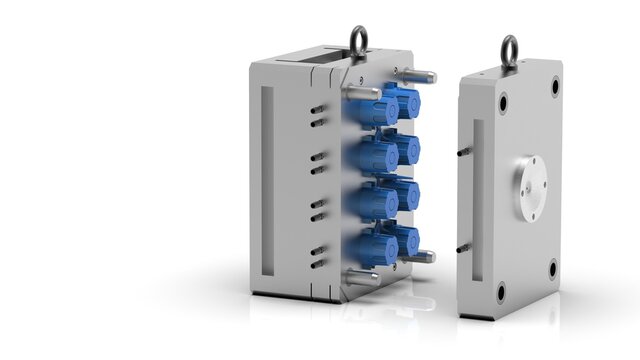
How Innovative Tooling Techniques Help Reduce Cycle Times in Injection Moulding
Reducing cycle times in injection moulding depends on improving the tool as a working system, not just making isolated adjustments.
Smarter cooling channel design
Cooling channel design plays a major role in how quickly and evenly heat leaves the mould. More effective cooling layouts can shorten cooling time while improving part stability.
In some applications, this may mean rethinking channel placement, improving cooling balance, or exploring more advanced tooling strategies that support better thermal control.
Tooling refinements that support faster, stable cycles
Small tooling refinements can make a significant difference. Adjustments to venting, gating, surface finish, or release features can improve how efficiently the process runs and reduce the need for slower, more cautious cycle settings.
These gains are rarely accidental. They come from understanding how the tool behaves under real production conditions and refining it accordingly.
Better venting, flow, and release
Cycle time optimisation is often linked to the smoother movement of material and parts through the process. Better venting can reduce fill issues. Improved flow can support more balanced moulding. Cleaner release can shorten the non-productive part of the cycle and reduce interruption risk.
Designing tools for repeatable cycle time efficiency
The best tooling does not just run quickly once. It runs efficiently and predictably over time. That focus on repeatability is what turns innovation into a genuine manufacturing advantage.
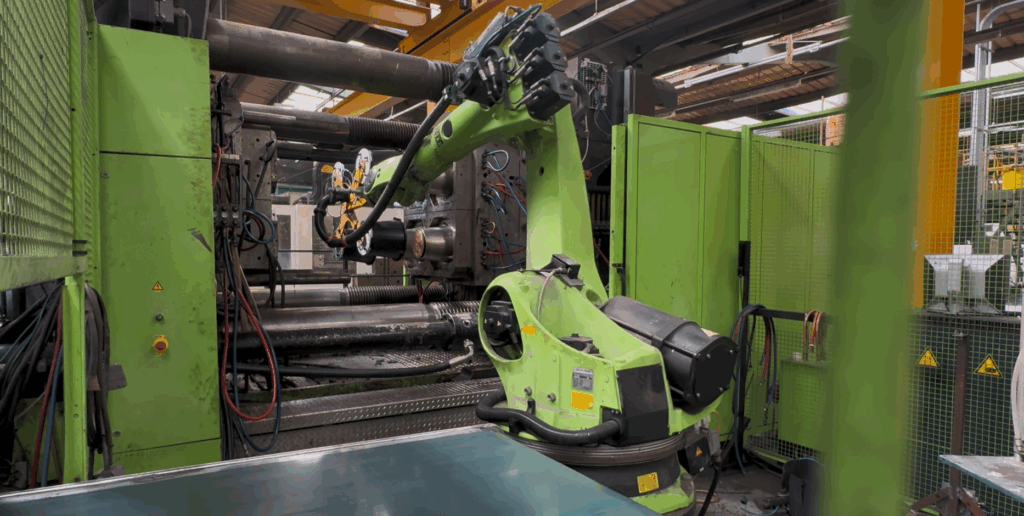
This is also where How Automation in Injection Moulding is Driving Innovation at Flambeau Europe supports the wider discussion. Tooling and automation work best when they are designed to reinforce one another.
Why Cycle Time Reduction Must Not Compromise Quality
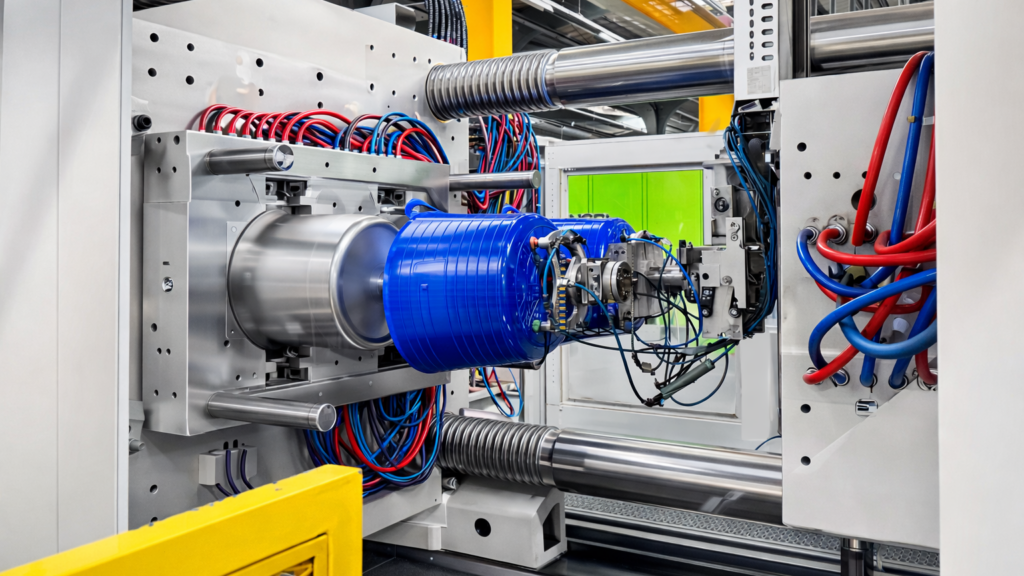
Reducing cycle times in injection moulding only creates value when part quality remains protected. Pushing a process too aggressively can undermine the very performance gains a customer depends on.
If cooling becomes inconsistent, ejection becomes unstable, or process windows become too narrow, the result may be higher variation, more defects, and unnecessary strain on the tool. In that scenario, faster cycles can actually create more disruption.
That is why Flambeau Europe balances speed with control. We focus on process improvements that support repeatability, dimensional stability, and reliable production performance. Our Quality Assurance approach is a key part of that thinking, and it also supports the wider principles behind Why Choosing an ISO Certified Injection Moulder Matters.
Stable manufacturing always matters more than headline speed alone.

The Role of Bespoke Manufacturing in Reducing Cycle Times in Injection Moulding
Cycle time reduction is never one-size-fits-all. The right approach depends on the component, the material, the application, the tool, and the wider production priorities around the project.
A generic process can only go so far. Bespoke engineering support creates better results because it looks at the full system and identifies where meaningful improvements can be made.
That may involve design refinement, tool adjustments, material review, or changes that improve consistency across production runs. It may also involve stepping back and assessing whether the existing process is aligned with the real demands of the product.
This is where Flambeau Europe’s Complete Bespoke Solutions approach becomes especially relevant. Instead of treating moulding as an isolated production step, we connect design, tooling, process thinking, and lifecycle performance into one joined-up engineering conversation.
Our broader Bespoke Plastic Moulding Process: The Journey from Concept to Completion and End-to-End Injection Moulding: From Design to Logistics content both reinforce that same principle.
How Flambeau Europe Approaches Cycle Time Optimisation
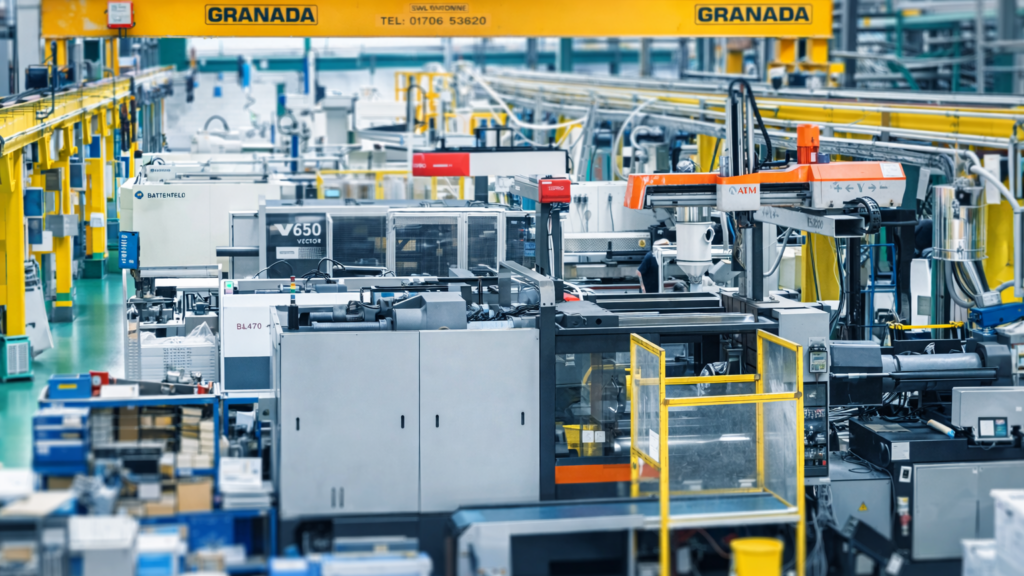
Flambeau Europe approaches cycle time optimisation as part of a wider performance discussion. We do not chase faster cycles for their own sake. We focus on the improvements that strengthen process stability, output, and long-term reliability together.
That often starts with engineering review. We assess how part design, material behaviour, tooling condition, cooling performance, and production requirements interact. From there, we can identify practical opportunities to improve efficiency without introducing unnecessary risk.
Our experience across complex customer programmes means we understand that cycle time is only one part of a successful outcome. Customers still need stable quality, dependable delivery, and a process that supports long-term manufacturing continuity. That is why our optimisation work connects closely with areas such as Project Management in Plastics: How Flambeau Ensures On-Time, On-Budget Delivery and How Flambeau Ensures Supply Chain Resilience through Local Manufacturing.
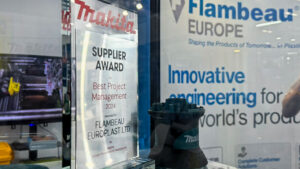
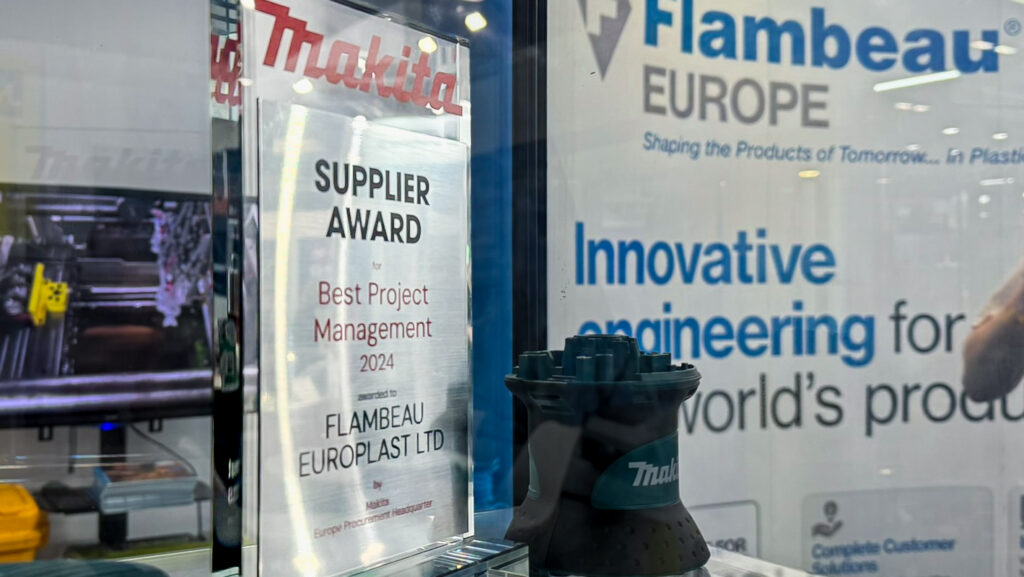
It is also why real-world customer collaborations matter. Case studies such as Reshoring Manufacturing to the UK: Flambeau Europe’s Partnership with Makita show the value of working with a manufacturing partner that combines engineering support with long-term operational reliability.
Better Tooling, Better Output, Better Manufacturing Performance
Reducing cycle times in injection moulding is not about taking shortcuts. It is about building a more efficient, repeatable, and capable manufacturing process.
Innovative tooling techniques support that by improving cooling, refining release, stabilising production, and helping moulding programmes run more effectively over time. When those improvements are guided by bespoke engineering insight, the gains are more meaningful and more sustainable.
For customers, that means better output, stronger process control, and a manufacturing partner that approaches performance challenges with the right balance of innovation and discipline.
At Flambeau Europe, that is exactly how we work.
Contact Flambeau Europe
If you are looking to improve process efficiency, refine tooling performance, or explore a more bespoke route to cycle time optimisation, Flambeau Europe can help.
Visit our Injection Moulding page, explore our capabilities, or get in touch through our Contact page to discuss your project with the team.
Further Reading
For additional insight into the role of cooling and tooling efficiency in injection moulding, these external resources are useful references:
- British Plastics Federation – Energy reduction by effective mould cooling
- Review paper: Conformal cooling in injection moulding