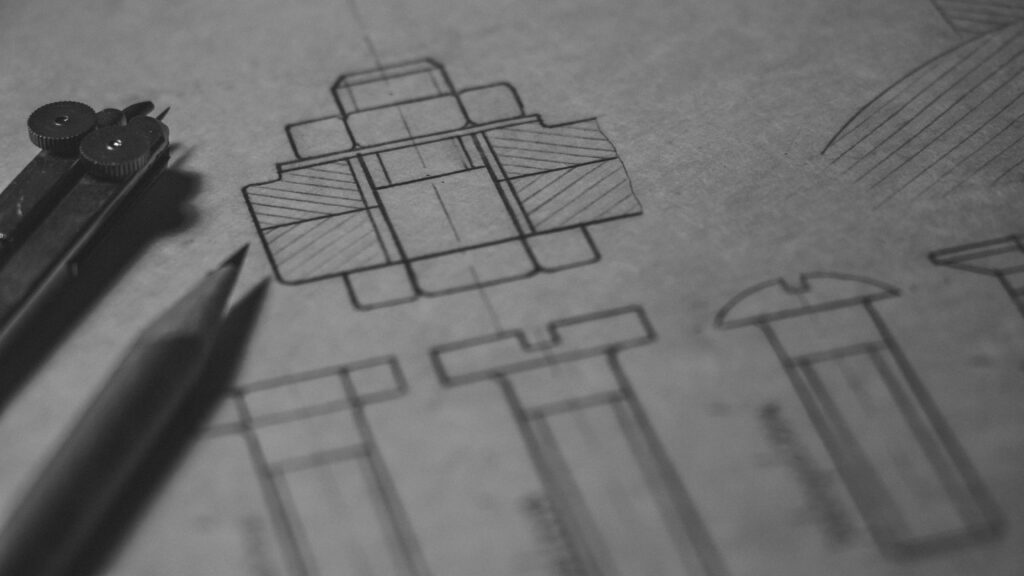
Many manufacturing challenges originate long before production begins. Injection moulding part optimisation focuses on refining component design, material selection, and manufacturability to improve quality, stability, and long-term performance.
Small design features, material behaviour, or structural inconsistencies can lead to moulding instability and defects once production begins. Optimising parts early ensures components perform reliably while protecting tooling investment and supporting efficient manufacturing.
At Flambeau Europe, optimisation is a collaborative engineering process. By working closely with customers before and during production, we refine components to enhance quality, improve repeatability, and support long-term manufacturing success.
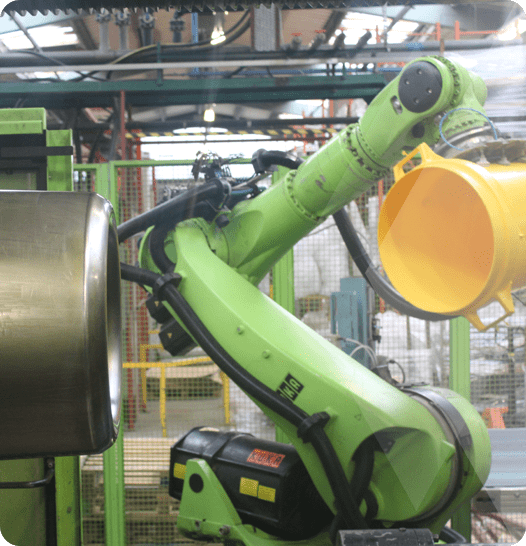
Why Injection Moulding Part Optimisation Matters Before Tooling Begins
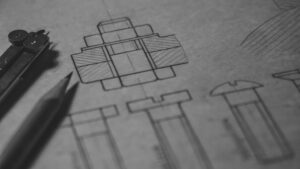
Even minor design characteristics influence moulding performance. Variations in wall thickness, geometry, or material behaviour can introduce stress points, warping, or dimensional instability.
Injection moulding part optimisation addresses these risks before tooling begins, helping to:
- improve production stability
- protect tooling investment
- support consistent product performance
- reduce downstream quality issues
Early optimisation strengthens manufacturing reliability and aligns with best practices highlighted by the British Plastics Federation, which emphasises design-for-manufacture principles in plastics production.
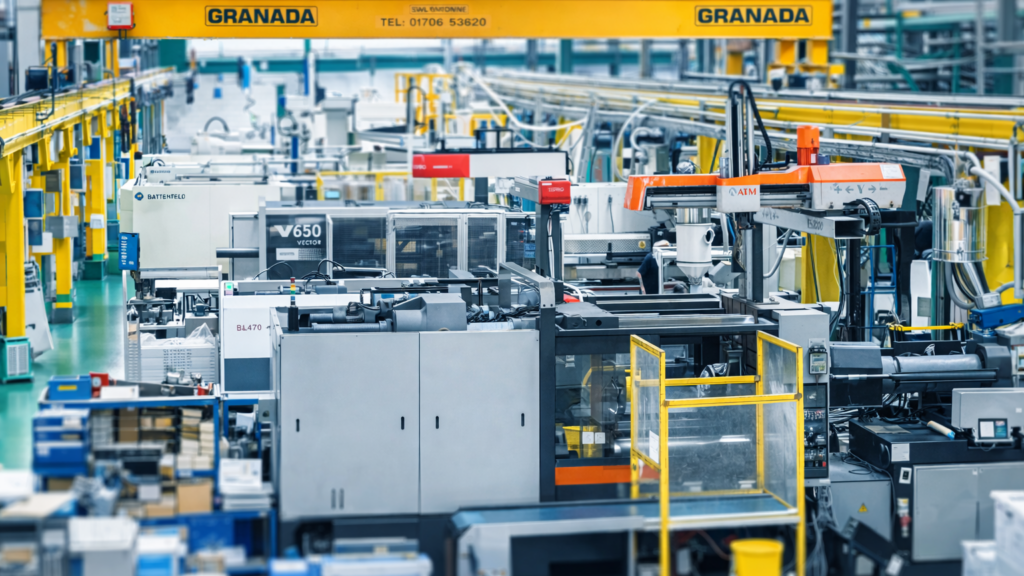
How Injection Moulding Part Optimisation Improves Stability and Quality
Effective design refinement is essential for consistent moulding performance. Subtle geometry adjustments can significantly improve material flow, structural integrity, and dimensional stability.
Key optimisation considerations include:
- maintaining uniform wall thickness to prevent sink marks and distortion
- improving flow paths for balanced filling and pressure control
- removing stress concentrations that weaken components
- designing for balanced cooling and reduced warping
This collaborative refinement process is part of our bespoke plastic moulding process, ensuring components are optimised for both performance and manufacturability.

Material Selection and Structural Optimisation
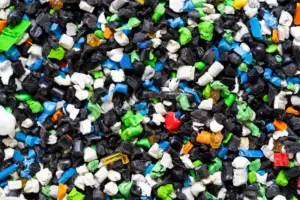
Material behaviour plays a critical role in component performance and moulding consistency.
Selecting the correct polymer involves balancing:
- strength and durability
- flexibility and impact resistance
- environmental performance requirements
- regulatory and compliance needs
Structural optimisation — including ribbing, reinforcement, and load distribution — improves strength while maintaining efficiency.
Our materials expertise builds on insights shared in The Best Materials for Injection Moulding, helping customers select polymers suited to real-world operating conditions.
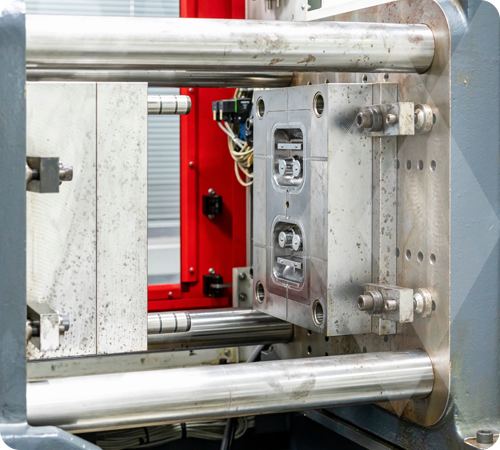
Eliminating Defects Through Engineering-Led Optimisation
Common moulding defects such as sink marks, voids, warping, or stress cracking often originate from design or material behaviour rather than processing errors.
Engineering-led optimisation helps:
- improve dimensional stability
- enhance surface finish consistency
- reduce internal stress
- prevent cosmetic and structural defects
- improve repeatability across production runs
Our precision-focused approach aligns with the principles outlined in Optimising High-Precision Injection Moulding for Complex, High-Performance Components.
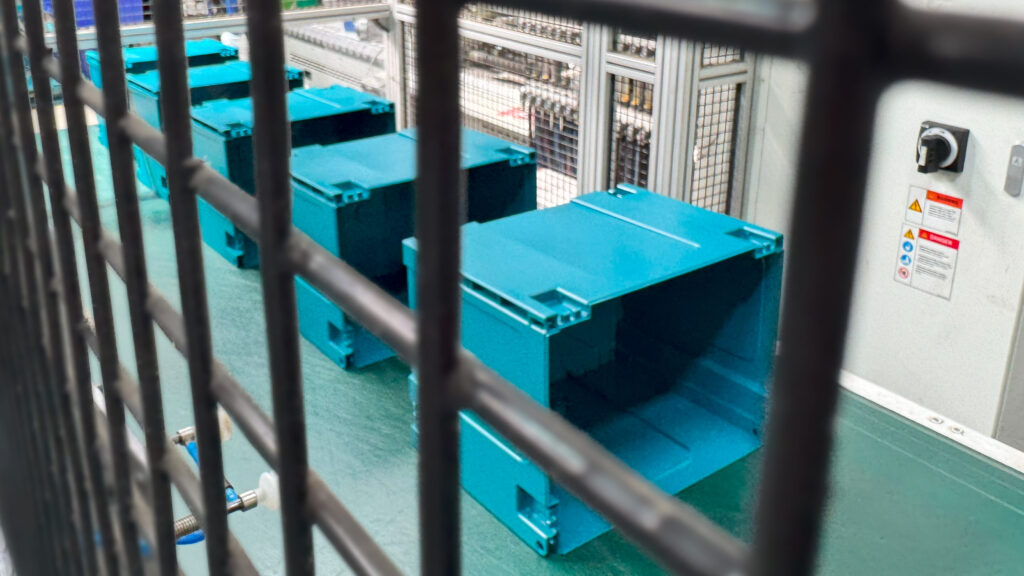
Optimising Parts for Efficient, Repeatable Production
Injection moulding part optimisation not only improves product performance — it also supports efficient and stable manufacturing.
Refinements can:
- improve mould release and reduce tool wear
- support stable cycle performance
- reduce material waste and reprocessing
- enable consistent high-volume production
These improvements complement strategies discussed in Reducing Waste in Manufacturing: Lean Injection Moulding Explained, where process efficiency and waste reduction improve operational performance.
How Flambeau Europe Optimises Parts for Long-Term Manufacturing Success
At Flambeau Europe, optimisation is an ongoing collaboration rather than a one-time exercise.
Our approach includes:
- early design review and engineering feedback
- material and tooling recommendations
- manufacturability improvements
- scale-up support and validation
- continuous refinement during production
This process integrates with our End-to-End Injection Moulding: From Design to Logistics workflow, ensuring optimisation aligns with tooling, moulding, assembly, and delivery.
By collaborating early and maintaining close communication, we help customers achieve consistent performance and long-term manufacturing stability.
A Partnership Approach That Improves Lifecycle Performance
Injection moulding part optimisation continues beyond the first production run. Over time, retained knowledge and continuous refinement can improve performance and efficiency even further.
Working with a long-term partner supports:
- knowledge retention across production cycles
- faster resolution of performance issues
- continuous improvement opportunities
- improved lifecycle reliability
Long-term partnerships reduce risk and protect product integrity, as explored in Why Choosing a Long-Term Injection Moulding Partner in the UK Matters.
Optimisation That Delivers Performance and Reliability
Injection moulding part optimisation strengthens manufacturing outcomes by improving stability, consistency, and long-term performance. By refining design, materials, and manufacturability before production begins, businesses can reduce risk and ensure reliable results at scale.
At Flambeau Europe, optimisation forms part of a collaborative engineering approach that supports performance, repeatability, and lifecycle success. Through early involvement and continuous refinement, we help customers achieve dependable manufacturing outcomes and long-term confidence in their supply chain.
Contact Flambeau Europe
If you would like to improve component performance, enhance manufacturability, or review an existing design, our engineering team is ready to help.
👉 Visit our Injection Moulding page
👉 Request a quote via our Quote Form
👉 Or contact us directly to discuss your project